
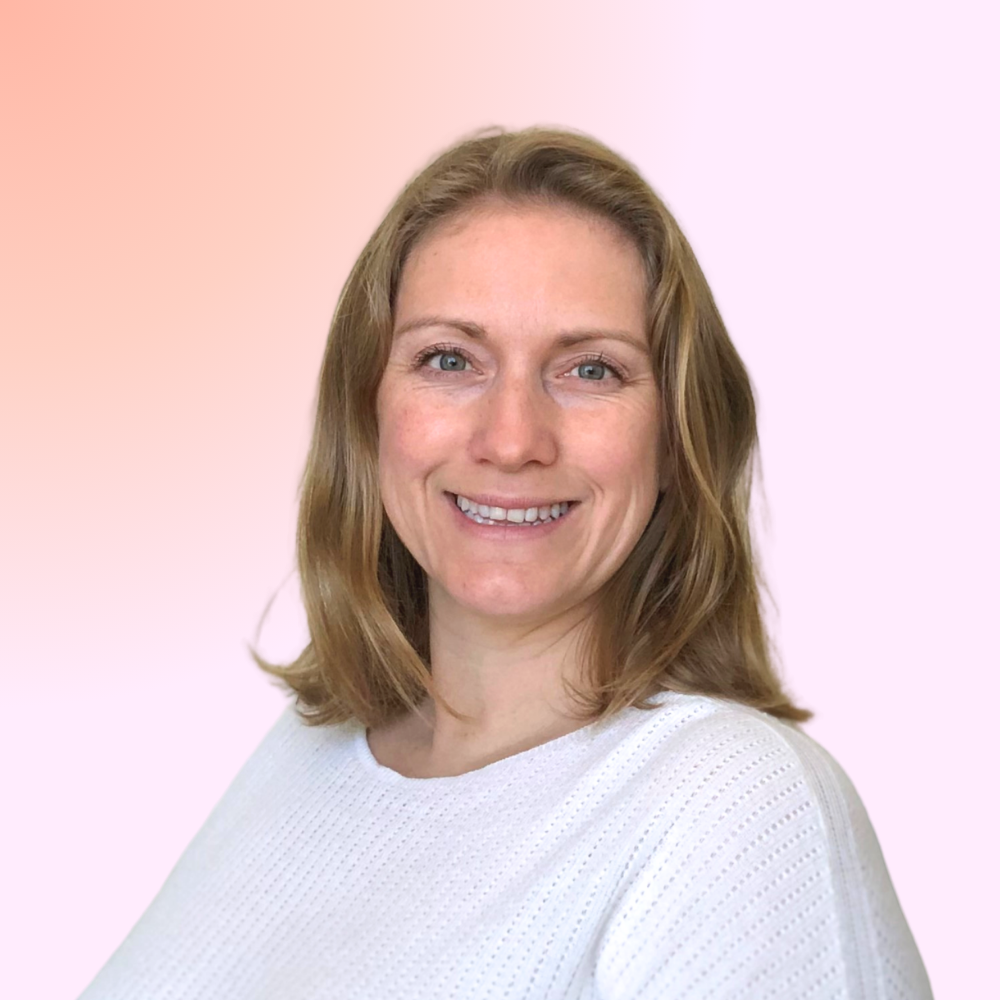
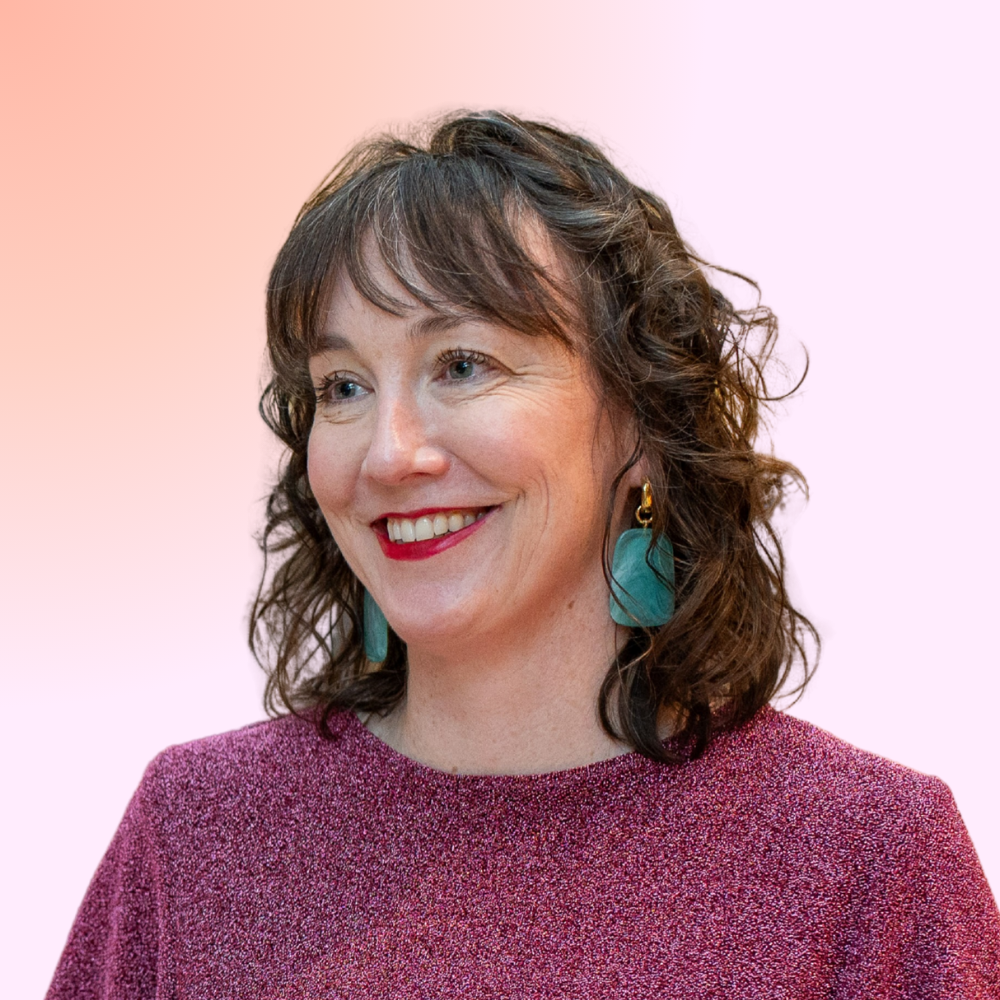
Dr Zoe Day
CoLab Early-Career Researcher Future Leader Fellow
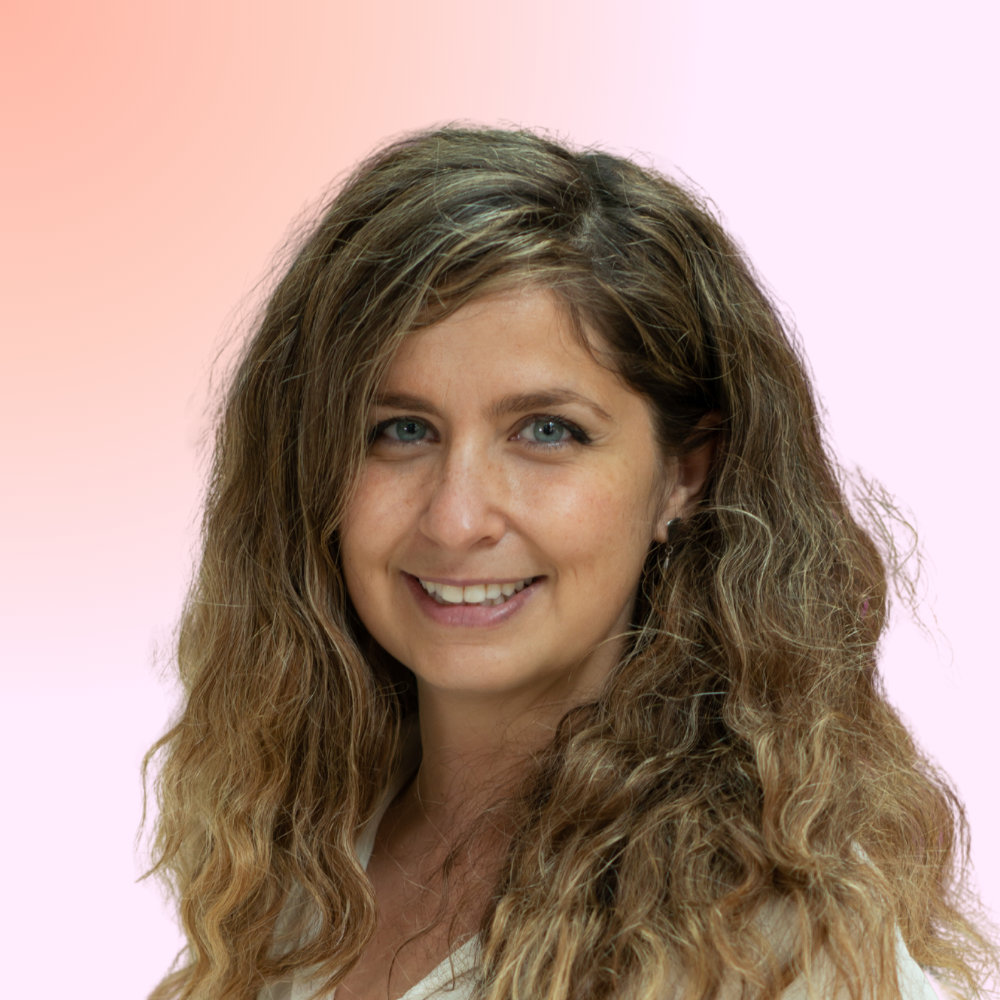
Dr Zoe Day is an early-career researcher dedicated to advancing brain cancer research through the development of novel therapies with long-term impact for patients. She is based at WEHI in the laboratory of Prof Misty Jenkins AO, who is a globally recognised leader in paediatric brain cancer immunotherapy.
Dr Day’s work focuses on preclinical development of innovative combination immunotherapies, exploring the interplay between small molecules, cell therapies, and the tumour microenvironment.
Her research journey began at La Trobe University under Prof Mark Hulett, studying death-inducing small molecular drugs in cancer. During her PhD, she initiated a collaborative project with the Jenkins Lab, supported by a Tour de Cure grant, to investigate how the extracellular matrix (ECM) impacts CAR T-cell efficacy in gliomas. This led to her first-author manuscript, published in Nature Precision Oncology, in which she comprehensively characterised the ECM in adult and paediatric primary brain cancers, including the identification and validation of an ECM protein as a CAR target.
Looking ahead, Dr Day aims to integrate her expertise in small molecule drug development with CAR T immunotherapies to uncover synergistic strategies. Within the collaborative environment of the Jenkins Lab, she remains committed to translating cutting-edge immunological insights into next-generation therapies for children with brain cancer.

Dr Zoe Day's research
Immunotherapy and drug combination therapies for paediatric high grade glioma
The challenge
Diffuse Intrinsic Pontine Glioma (DIPG), now classified within the broader group of diffuse midline gliomas (DMG), is one of the most devastating childhood brain cancers. Because of their location and the way they infiltrate brain tissue, these tumours cannot be removed surgically, and treatment options are extremely limited. Radiation therapy, delivered daily over six to eight weeks, may offer temporary symptom relief, but it does not stop disease progression. On average, children diagnosed with DIPG survive less than one year.
For families, the current treatment pathway often involves impossible decisions. Many must choose between continuing hospital-based treatments that may offer little benefit while worsening their child’s condition or shifting focus to comfort care at home. As one parent shared, “We stopped going to daily radiotherapy because it wasn’t doing anything, and my daughter was spending all her time in the hospital.”
Families living in regional or remote areas often face the added burden of having to relocate for treatment. One family recalled, “We had daily radiation for seven weeks and had to rent another house in Melbourne to access treatment.” This disrupts school, work, and home life, compounding the emotional and financial toll.
Despite enduring these challenges, many families still face the grim reality that available treatments are not curative. One parent put it plainly, “By the time you get to the child presenting, it is so late that there isn’t anything that could have an effect.”
For most families, there are no truly effective treatment options, and clinicians are left with limited tools. As one parent said, “Anything that can halt progression can buy us precious time.”
The research
Dr Zoe Day and her group’s research aims to develop a safer, more effective treatment for children with aggressive brain tumours like DIPG by building on the promise of CAR T-cell therapy, a breakthrough that has already transformed outcomes in some childhood blood cancers. CAR T-cell therapy involves reprogramming a child’s own immune cells to recognise and destroy cancer cells.
In this project, Dr Day and her team will create CAR T-cells and will explore combining them with two promising drugs that have shown potential in treating brain tumours. A novel part of this research is their investigation into how CAR T-cells might temporarily open the blood–brain barrier. They believe this could allow drugs that normally struggle to enter the brain to reach the tumour more effectively. The group will test these treatment strategies in advanced laboratory models that closely mimic human disease, with the goal of identifying the safest and most effective combinations to fast-track into clinical trials.
The impact
If successful, this research could transform treatment for DIPG and similar childhood brain cancers. Instead of six to eight weeks of daily radiotherapy, children might receive monthly CAR T-cell infusions through a small brain catheter. This would mean fewer hospital visits, less disruption to family life, and reduced emotional, physical, and financial strain. As one parent said, “The idea that a monthly infusion could replace seven weeks of daily radiation would be a game changer.”
The benefits extend beyond convenience. With fewer side effects, children could feel better for longer and enjoy more time at home. Families in rural areas could avoid relocating, staying close to support networks. Shorter hospital stays would also ease pressure on the healthcare system, helping other patients too.
Lived experience collaboration
Children and families affected by brain cancer are not just participants in this research, they are active and central partners. They are already contributing to the study's design and will continue to provide input on treatment priorities, communication materials, and how the team measure what truly matters to families, such as time at home, emotional wellbeing, and quality of life.
Dr Day and her team are committed to ensuring that this lived experience collaboration is inclusive, respectful, and culturally sensitive. All information for families will be provided in plain language. The team is also taking active steps to involve families from diverse backgrounds and will offer dedicated support to ensure that all voices are heard and valued. All engagement will follow approved ethical guidelines to ensure privacy, consent, and respect at every level.
Ultimately, Dr Day and her team’s goal is to develop a treatment that is not only more effective but also more compassionate, accessible, and grounded in the real needs of children and families. This research represents a critical step toward delivering new hope for children diagnosed with DIPG, a future where they can live longer, feel better, and spend more meaningful time with the people they love.
Children’s Cancer CoLab Funding Information
Fellowship Awarded: $440,277
Fellowship Timeline: January 2027 to December 2029
Impact Program: Future Leaders
Scientific and Lived Experience Review: Scientific Advisory Committee and Patient and Family Advisor Committee
Lead Institution: WEHI
Projects
Dr Zoe Day
is working on
Articles featuring
Dr Zoe Day
Read our latest news

Meet more people






















Get Involved
CoLaborate with us to accelerate childhood cancer research and innovation