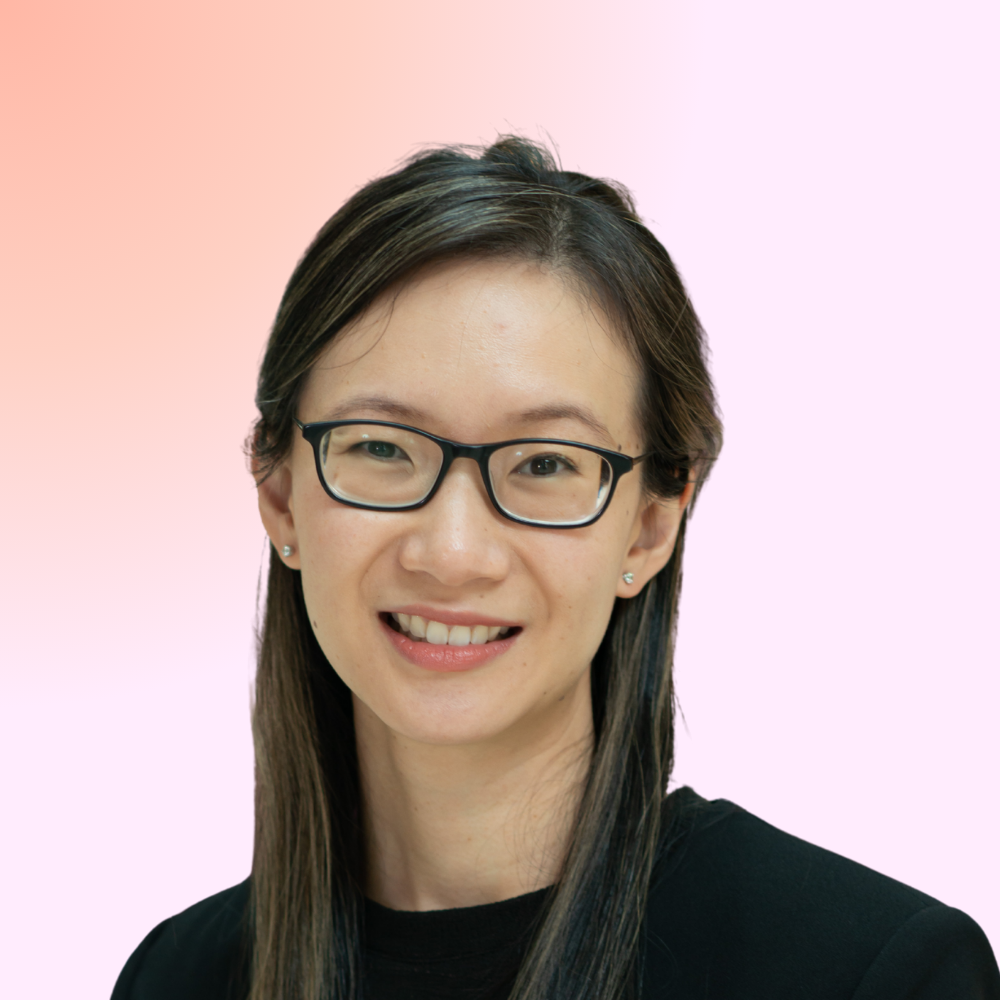
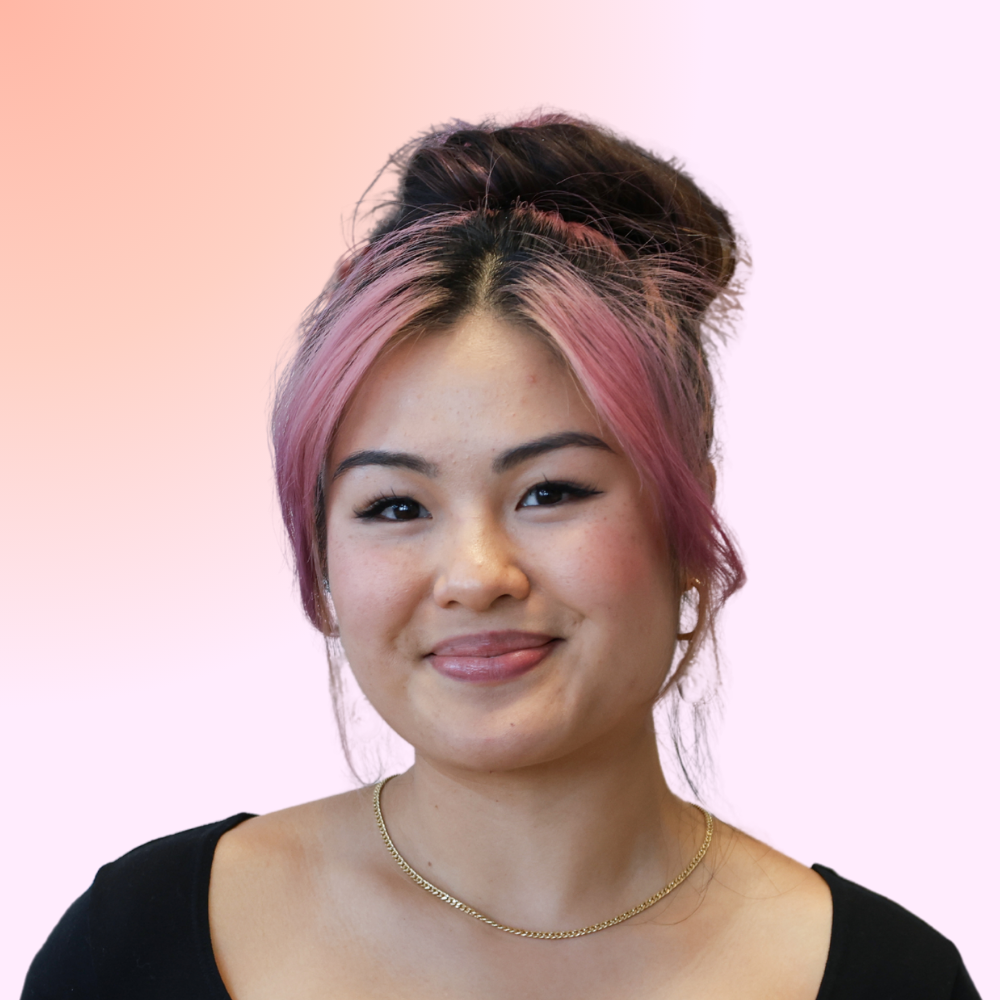
Dr Stacie Wang
CoLab Clinician-Researcher Future Leader Fellow
Dr Stacie Wang is a paediatric oncologist at the Children's Cancer Centre, The Royal Children's Hospital (RCH). Dr Wang grew up in Adelaide and moved to Melbourne for her medical studies at The University of Melbourne, obtaining her MBBS/BMedSci in 2009. She undertook basic paediatric training at the RCH and Monash Children’s Hospital, prior to completing her fellowship in training in paediatric haematology/oncology at the RCH.
During her fellowship, Dr Wang cultivated a keen interest in immunotherapy and became very interested in the concept of harnessing a patient’s own immune system to fight their own cancer. As such, she undertook a PhD in immunotherapy at WEHI in 2018. Dr Wang’s PhD focused on Chimeric Antigen Receptor (CAR) T-cell therapy, a branch of immunotherapy that engineers a patient’s T cells to be able to specifically recognise and kill the cancer cells in their body. CAR T-cell therapy has been extremely successful in leukaemia, but applying this revolutionary ‘fourth pillar’ of cancer therapy to brain cancers has been less successful to date.
Dr Wang’s primary research interests are in 1) improving the way we currently deliver CAR T-cell therapy to children with leukaemia in Australia, and 2) broadening the utility of CAR T-cell therapy to other children with poor prognosis cancers, in particular brain tumours.

Dr Stacie Wang's research
Revolutionising CAR T-cell delivery in Australia
The challenge
CAR T-cell therapy is one of the most exciting advances in cancer treatment for children. It works by taking a child's own immune cells, modifying them in the laboratory to recognise and attack cancer cells, and returning them to the body as a living treatment. For children with leukaemia who have run out of other options, it can be life-changing. But it does not work for everyone, and relapse remains a major challenge. Understanding why, and what can be done about it, is at the heart of Dr Wang's research.
In Australia, CAR T therapy is currently only available for certain types of leukaemia. Children with aggressive brain tumours, including Diffuse Midline Glioma (a cancer with very limited treatment options) have no access to these treatments or to clinical trials testing them in Victoria. Dr Wang's work aims to change that on both fronts: making CAR T therapy work better for the children who already receive it, and opening the door to new CAR T trials for children with brain cancer.
The research
Aim 1: Understanding how CAR T therapy is delivered in Australia
CAR T therapy is a complex treatment, and whether it works, including how safely a child comes through it, depends on far more than the CAR T cells themselves. The child's underlying health, the treatments they receive while waiting for their CAR T cells to be manufactured, how and when the therapy is given, and many other factors along the way can all influence the outcome. Some of these factors can be changed or optimised, but at present, there is limited understanding of which ones matter most and how they should be managed in Australian children.
Dr Wang aims to study how CAR T therapy is currently delivered to children across Australia. By bringing together data from hospitals around the country, she aims to identify the factors that influence how well children respond to CAR T therapy and how safely they come through it — and crucially, which of those factors can be changed to improve outcomes.
Aim 2: Opening the door to CAR T therapy for children with brain cancer
For children diagnosed with Diffuse Midline Glioma and other aggressive brain tumours, the options are very limited. No CAR T-cell treatment is currently available in Victoria for these children, and survival rates remain extremely poor.
Dr Wang and her team are working to change this by developing a clinical trial of a new CAR T-cell therapy specifically designed for paediatric brain tumours. Their laboratory research has identified a protein found on many paediatric brain tumour cells that could be targeted by CAR T cells, and early results in the laboratory have been promising. Dr Wang is now doing the detailed groundwork required to bring this into a clinical trial — a lengthy and rigorous process that involves extensive safety testing, regulatory approval, and careful trial design to protect patients. The trial is planned to open first to a small group of adults to establish safety, with the intention of then extending access to children.
The impact
Dr Wang's research addresses two of the most pressing unmet needs in paediatric cancer care: making an existing treatment safer and more effective for children who already have access to it, and creating new options for those who currently have none.
In the near term, her work will generate practical guidance for hospitals across Australia on how to optimise CAR T therapy delivery, and lay the foundations for a novel brain tumour CAR T trial in Victoria. In the longer term, the goal is improved survival and quality of life for children with some of the hardest-to-treat cancers, and a research foundation that other centres can build on.
Findings will be shared in accessible formats with families, clinicians, and policymakers, with the aim of translating research into real-world change in how children with cancer are treated across Australia.
Lived experience collaboration
This research is informed by the experiences of children with cancer and their families. Dr Wang is committed to engaging with consumer groups and patient advocates throughout the project, ensuring that the perspectives of families are considered in how the research is designed and how findings are shared.
Children’s Cancer CoLab Funding Information
Fellowship Awarded: $267,950
Fellowship Timeline: January 2027 to December 2029
Impact Program: Future Leaders
Scientific and Lived Experience Review: Scientific Advisory Committee and Patient and Family Advisor Committee
Lead Institution: WEHI
Projects
Dr Stacie Wang
is working on
Articles featuring
Dr Stacie Wang
Read our latest news

Meet more people


























Get Involved
CoLaborate with us to accelerate childhood cancer research and innovation