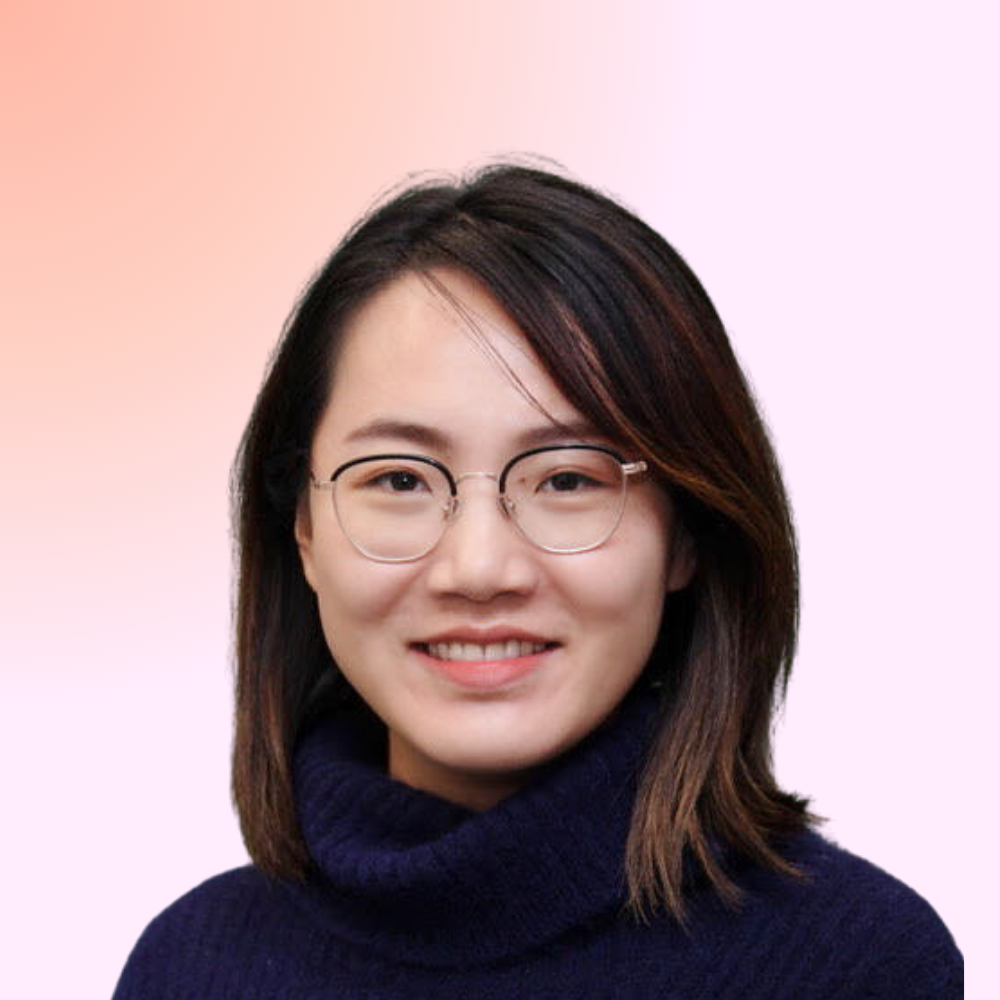
Dr Claire Sun
CoLab Mid-Career Researcher Future Leader Fellow
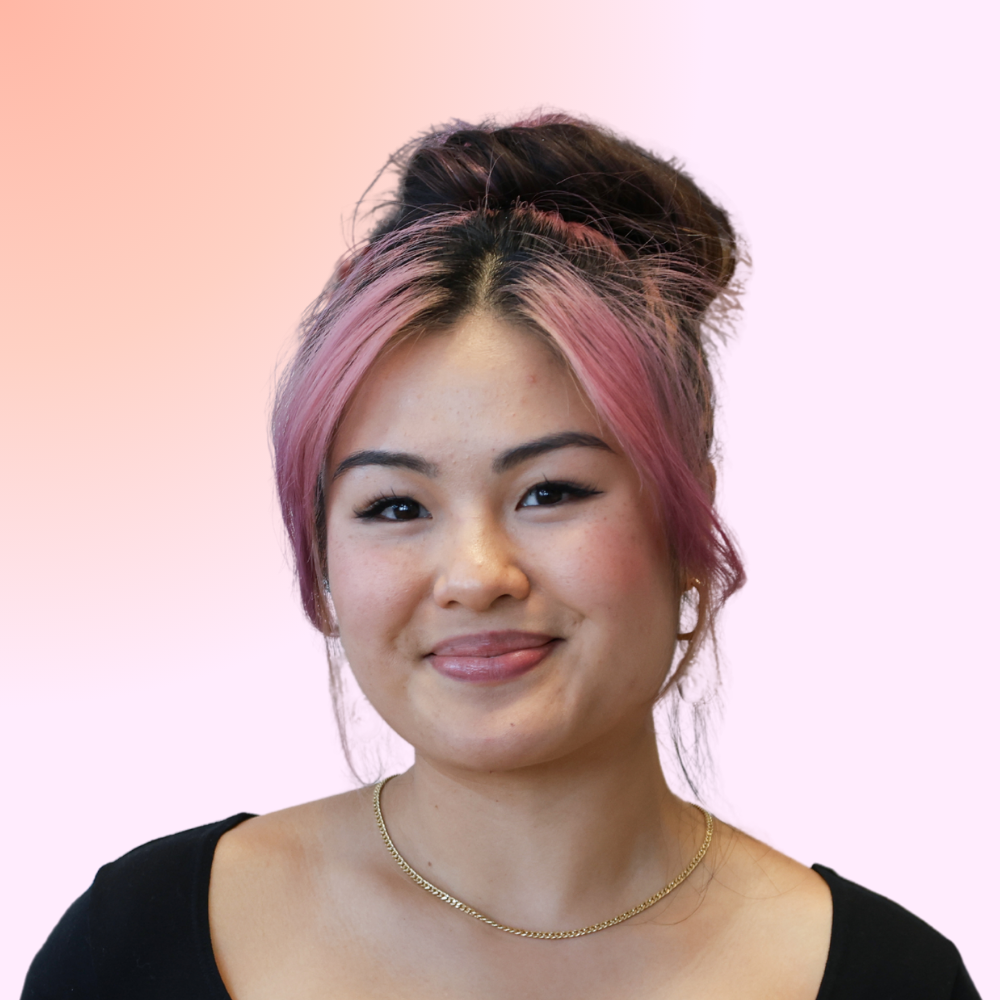
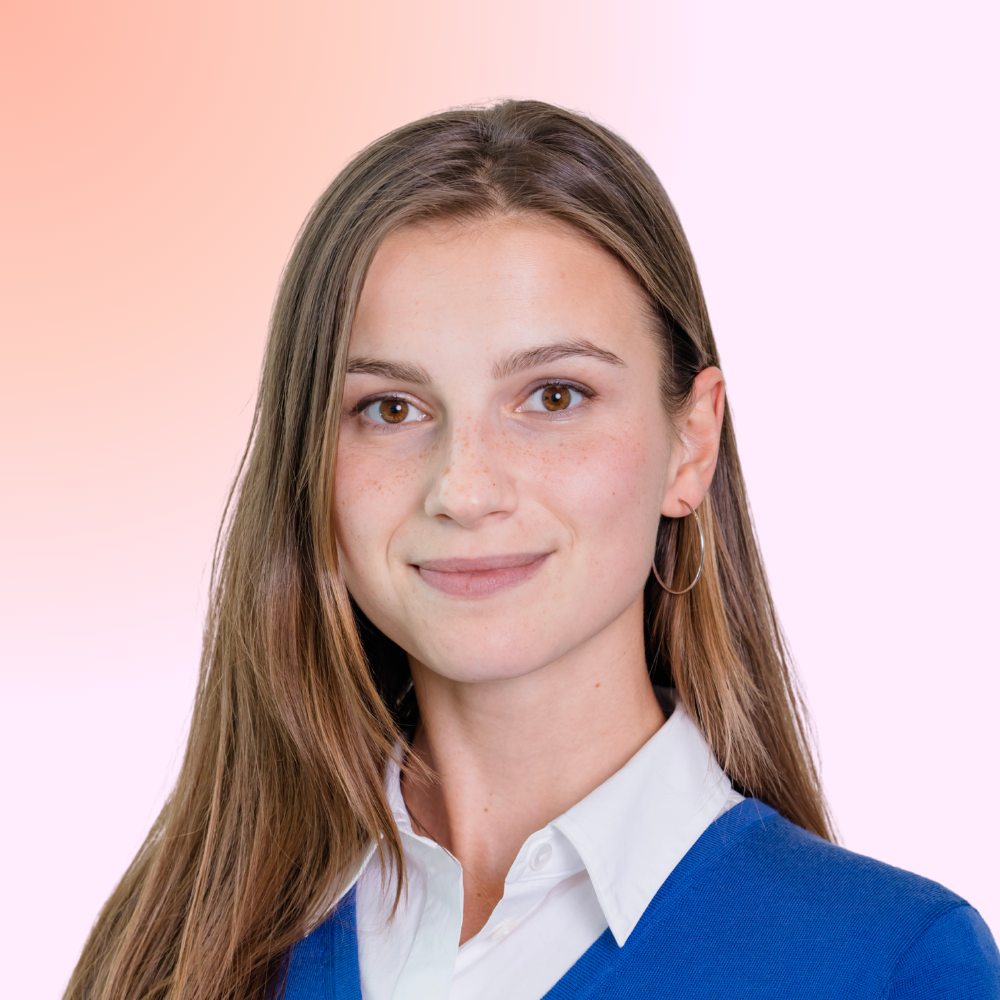
Dr Claire Xin Sun is Head of the Computational Therapeutic Discovery Group and leads the Advanced Informatics Program within the Next Generation Precision Medicine Program under the direction of Prof Ron Firestein.
She is the current recipient of a Victorian Cancer Agency Early Career Fellowship for 2023 to 2025 and an MRFF EMCR Fellowship for 2024 to 2026. Since 2018, Dr Sun has served as lead bioinformatician in the Next Generation Precision Medicine program. She is passionate about translating basic discoveries into clinical impact using state-of-the-art bioinformatics and AI approaches. In 2023, she was named MPCCC Mid-Career Outstanding Cancer Researcher.
Dr Sun has driven the computational framework and analytical methods behind the Childhood Cancer Model Atlas, the world’s largest collection of more than 400 high-risk paediatric cancer cell lines. This open-source resource enables paediatric oncologists and researchers worldwide to pursue data-driven discovery of new therapeutic targets for cancers with poor survival. As lead bioinformatician, she works with a team of 25 scientists and paediatric oncologists and led the first CCMA data resource paper in Cancer Cell.
Her research focuses on cancer epigenetics, beginning with her master’s studies and continuing through her PhD on microRNA biomarkers and epigenetic regulation of mitochondrial genomics. During the past five years, she has led bioinformatics and coordinated multidisciplinary studies that integrate functional and epigenomic analyses. This work has identified therapeutic targets and biomarker-associated combination therapies and has attracted industry interest for clinical trial development. She is now targeting the dysregulated epigenome to enhance immunotherapy response using integrative multi-omics and AI.
Dr Sun also supervises three junior bioinformatics staff and students and contributes to the paediatric cancer community through the Hudson Institute’s Patient and Family Advisory Committee and foundation-supported charity events.

Dr Claire Sun's research
Translating epigenetic insights into therapies for paediatric brain tumours
The challenge
Childhood brain cancers are the leading cause of cancer-related death in children, accounting for nearly a quarter of all childhood cancer diagnoses. In Australia, about 1,000 children are diagnosed with cancer each year, and outcomes for those with aggressive brain tumours remain devastatingly poor. For high-grade brain cancers, fewer than 15% of children survive beyond five years, and for some types, such as diffuse midline glioma, no curative treatments exist.
Existing therapies are harsh on developing bodies, often leaving survivors with lifelong health problems. Crucially, childhood cancers are biologically distinct from adult cancers, with far fewer genetic mutations. This is why treatments like DNA-targeted therapies, which work for adults, rarely work in children.
Today, fewer than 1 in 20 children with cancer benefit from targeted therapies, highlighting the urgent need for kinder and more effective treatments tailored to the unique biology of childhood cancers.
The research
Dr Sun’s project focuses on the epigenome, the layer of chemical switches on DNA that control how genes are turned on and off. Epigenetic changes are a hallmark of childhood brain cancers; they drive tumour growth, cause resistance to treatment, and allow cancer cells to adapt and survive. Unlike DNA mutations, epigenetic changes are reversible, making them attractive therapeutic targets.
Building on the Childhood Cancer Model Atlas (CCMA) developed by the team Dr Sun works with, her research will map how changes in gene ‘on–off switches’ (epigenetic regulators) drive childhood brain cancers. Understanding these changes can uncover new weak points in the cancer, allowing us to target them with safer, more effective treatments.
The project has three main parts:
1. Mapping the epigenome
Dr Sun and her team will generate the first comprehensive maps of chromatin states, the key regulatory parts that control gene activity, across major types of childhood brain cancer.
2. Identifying functional targets
Using advanced gene-editing CRISPR screening, Dr Sun and her team will pinpoint the epigenetic regulators tumours depend on for survival and growth, and test drug combinations to overcome treatment resistance.
3. Predicting therapies with AI
By integrating all their new data (epigenomic, genetic, and drug response), Dr Sun and her team will develop artificial intelligence models to predict which patients are most likely to benefit from specific therapies.
The impact
By decoding how epigenetic changes drive brain cancers, Dr Sun’s research has the potential to open entirely new avenues for treatment. Expected outcomes include:
• Identification of new epigenetic drug targets specific to childhood cancers
• Development of precision medicine approaches to match the right child with the right treatment.
• Testing and providing safer, more effective therapies, including combinations of epigenetic drugs with existing treatments.
• A new decision-support platform (CCMA-EPIC) for clinicians to interpret patient tumour profiles and guide therapy choices.
Ultimately, this project aims to improve survival and quality of life for children with brain cancer, while reducing long-term treatment side effects.
Lived experience collaboration
This project is built on lived experience-driven research and has been co-designed with the Hudson Institute’s Patient and Family Advisory Committee representatives, in particular, Dr Rebecca Goldstein, Prof Tracey Danaher and Ms Claire Josefsson, with whom Dr Sun has worked with over three years. Notably, the Hudson Institute’s broader patient and family advisory group of 18 representatives have identified “effective therapies with less toxicity” as the top priority in her research.
Moving forward, lived experience representatives will play a central role in steering the project, with their involvement extending across findings sharing, and communication strategies. Dr Sun will also hold regular quarterly meetings with key advisors to refine objectives, secure their endorsement on communication strategies, and ensure her research remains relevant, and impactful throughout the project lifecycle. Ms Josefsson has also enrolled in the vacation program as a medical science student under Dr Sun’s supervision, providing invaluable patient-perspective insight directly into the lab environment.
Ethical considerations are central. Data will be handled securely and in compliance with national standards, with strict attention to privacy and consent, especially when using patient-derived samples.
Findings will be shared with the research community through the CCMA, peer-reviewed publications, and conference presentations. Results will be translated into practice by integrating predictive biomarkers into the ZERO Program and through engagement with clinicians via national molecular tumour boards. Global partnerships, including with the Children’s Brain Tumor Network, will extend impact internationally.
For families and the public, Dr Sun and her team are committed to communicating outcomes in clear, accessible language. Based on their lived experience advisors’ feedback, this will be done via transparent data portals, newsletters, social media, community forums, and collaborations with advocacy organisations. Through this program, Dr Sun and her colleagues aim to rapidly translate discoveries into tangible benefits for children and families affected by brain cancer.
Children’s Cancer CoLab Funding Information
Fellowship Awarded: $619,926
Fellowship Timeline: July 2026 to June 2029
Impact Program: Future Leaders
Scientific and Lived Experience Review: Scientific Advisory Committee and Patient and Family Advisory Committee
Lead Institution: Hudson Institute of Medical Research
Projects
Dr Claire Sun
is working on
Articles featuring
Dr Claire Sun
Read our latest news

Meet more people














Get Involved
CoLaborate with us to accelerate childhood cancer research and innovation