Paediatric and adolescent cancer immunotherapy program
Immune engineering and tumour microenvironment modulation
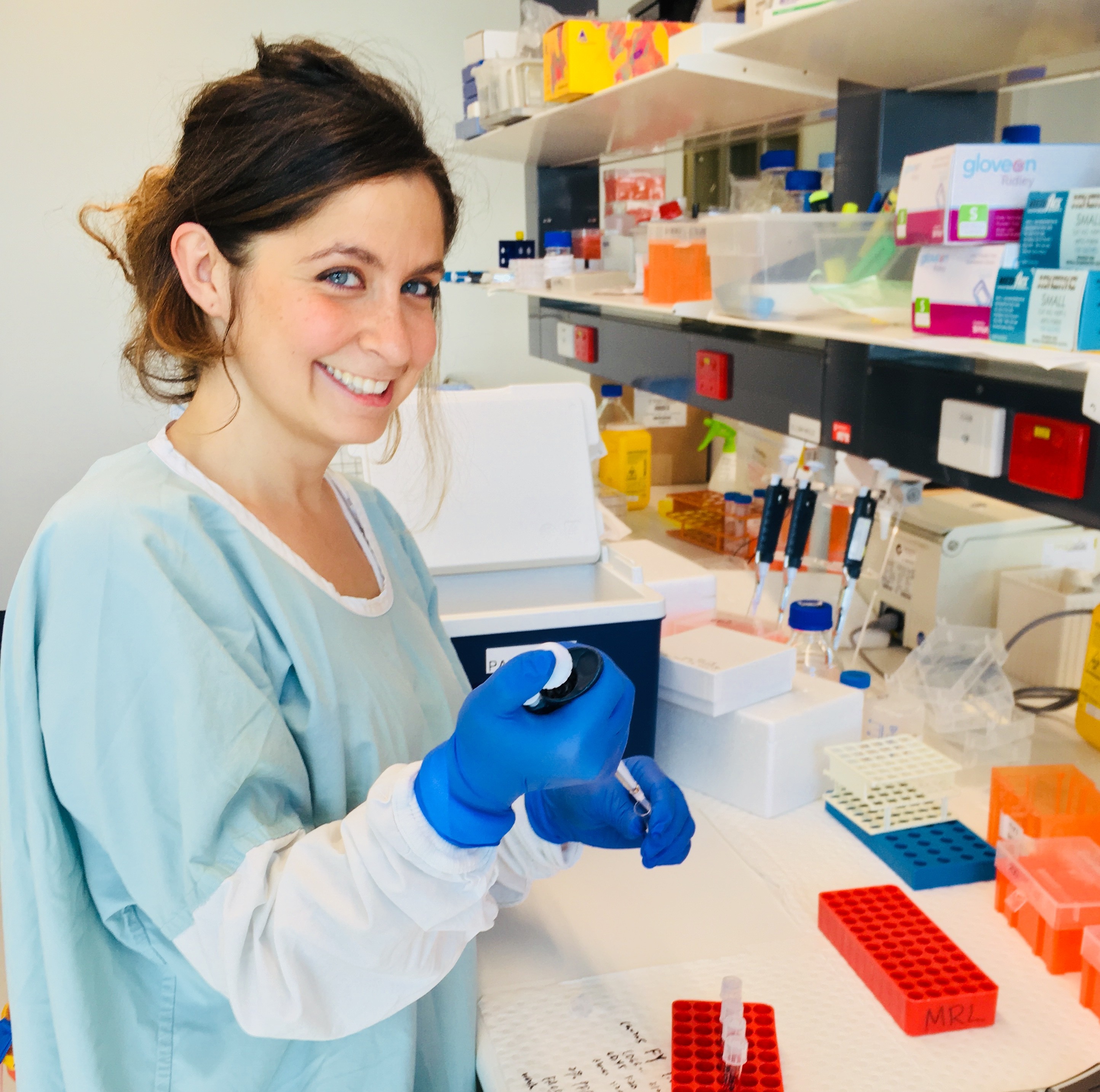
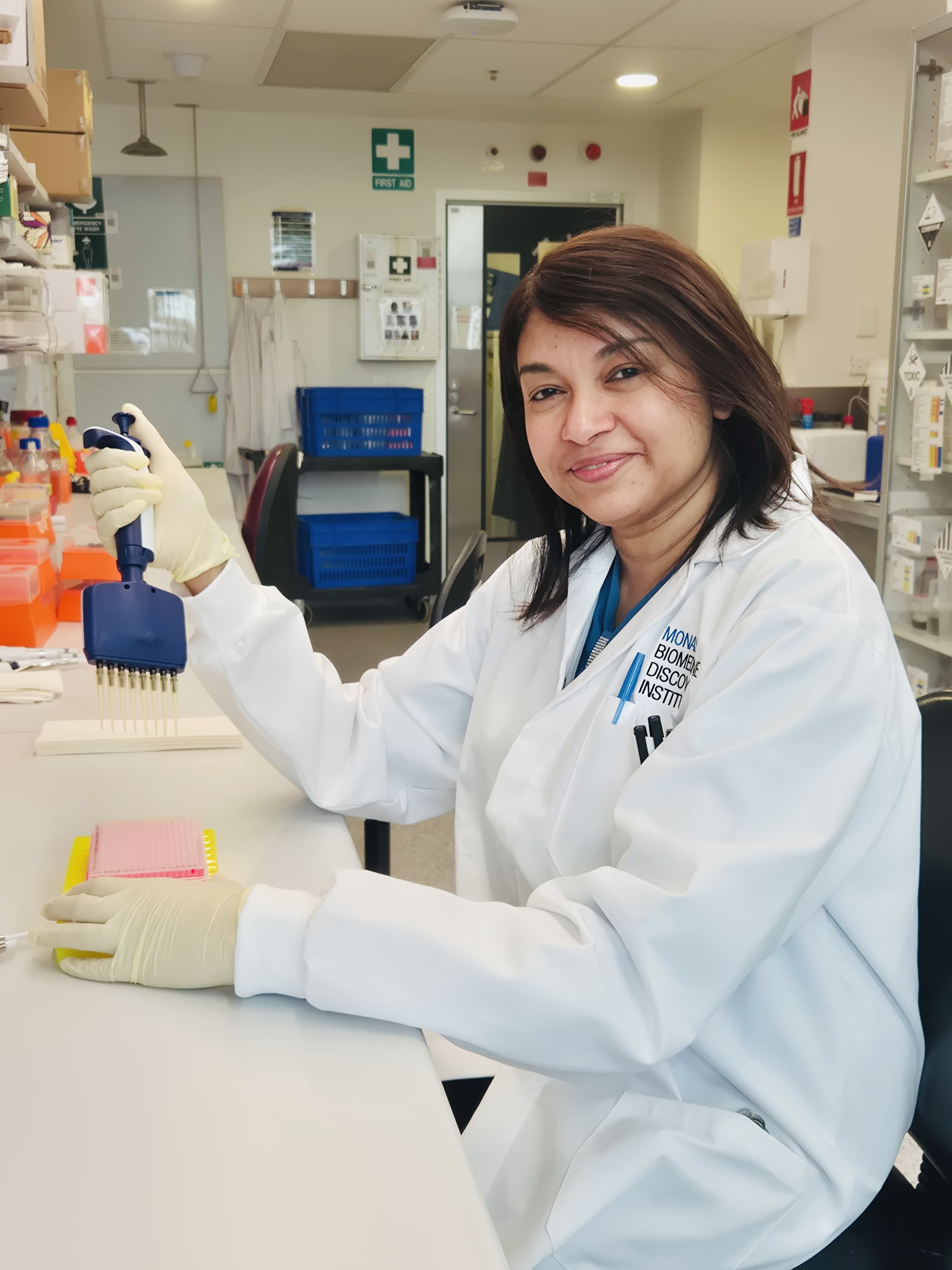
Meet the people on the project
The challenge
Children and adolescents with high-risk solid cancers, such as neuroblastoma and sarcoma, still face very poor outcomes. Too many children and adolescents die from these diseases, and those who survive often carry lifelong health problems caused by intensive treatments.
Immunotherapies, which harness the body’s own immune system to fight cancer, have transformed care for some adult cancers. Unfortunately, these approaches have not been very effective for childhood solid cancers. The reasons include the ability of these tumours to escape or block the immune system, the low number of genetic changes in childhood cancers (which makes it harder for the immune system to recognise), and the immaturity of young, developing immune systems.
The research
This project will investigate whether curaxin CBL0137 can change the environment around a tumour in ways that help immunotherapy work better.
If successful, the research could support the development of new treatment approaches for children and adolescents with neuroblastoma, sarcoma and other hard-to-treat solid cancers. In the longer term, it may help improve outcomes while reducing the need for some intensive treatments and their long-term effects.
The impact
Dr Meyran and her team believe CBL0137 can reshape the tumour environment to make childhood cancers more sensitive to immunotherapies, improving outcomes and potentially reducing the spread of disease. If successful, this work could open the door to new, safer, and more effective treatment options for children and adolescents with some of the hardest-to-treat cancers
Children's Cancer CoLab Funding Information
Grant Awarded (Total): $728,750
Project Timeline: 1 September 2026 – 31 August 2029
Impact Program: Transformative Therapies (formerly Next-Generation Therapies)
Lead Institution: Peter MacCallum Cancer Centre
Collaborating Institutions: University of Melbourne, Children's Cancer Institute, Hudson Institute of Medical Research, Telethon Kids Institute
Lead Researcher: Dr Deborah Meyran
Associated researchers: Dr Klaartje Somers, Prof Michelle Haber, A/Prof Pouya Faridi, Prof Paul Neeson, A/Prof Jason Cain, Dr Omar Elaskalani, Prof Phil Darcy
Contact us to find out more about this project

Articles featuring
Paediatric and adolescent cancer immunotherapy program
Read our latest news
More Funded Projects
Grant Funding
Our program funding is allocated through a competitive process underpinned by robust expert review. We adopt scientific rigour to evaluate each proposal’s potential for impact and alignment with identified childhood cancer research and care priorities.


