Safer asparaginase treatment
Understanding and reducing the risk of blood clots in children with acute lymphoblastic leukaemia.
Meet the people on the project

The challenge
Children and adolescents with acute lymphoblastic leukaemia (ALL) receive intensive treatment that has greatly improved survival. However, some treatments can cause serious side effects.
Blood clots (venous thromboembolism) occur in 5-10% of children and adolescents treated for ALL. Blood clots can be serious and, in some cases, life-threatening. Older children and adolescents are at greater risk.
Asparaginase is an important chemotherapy medicine used to treat ALL, but it can increase the risk of blood clots. Current medicines used to prevent clots can involve regular injections and may cause side effects, including bleeding. Therefore, it is important to identify which children or adolescents are at greatest risk, so prevention can be focused on those most likely to benefit.
The research
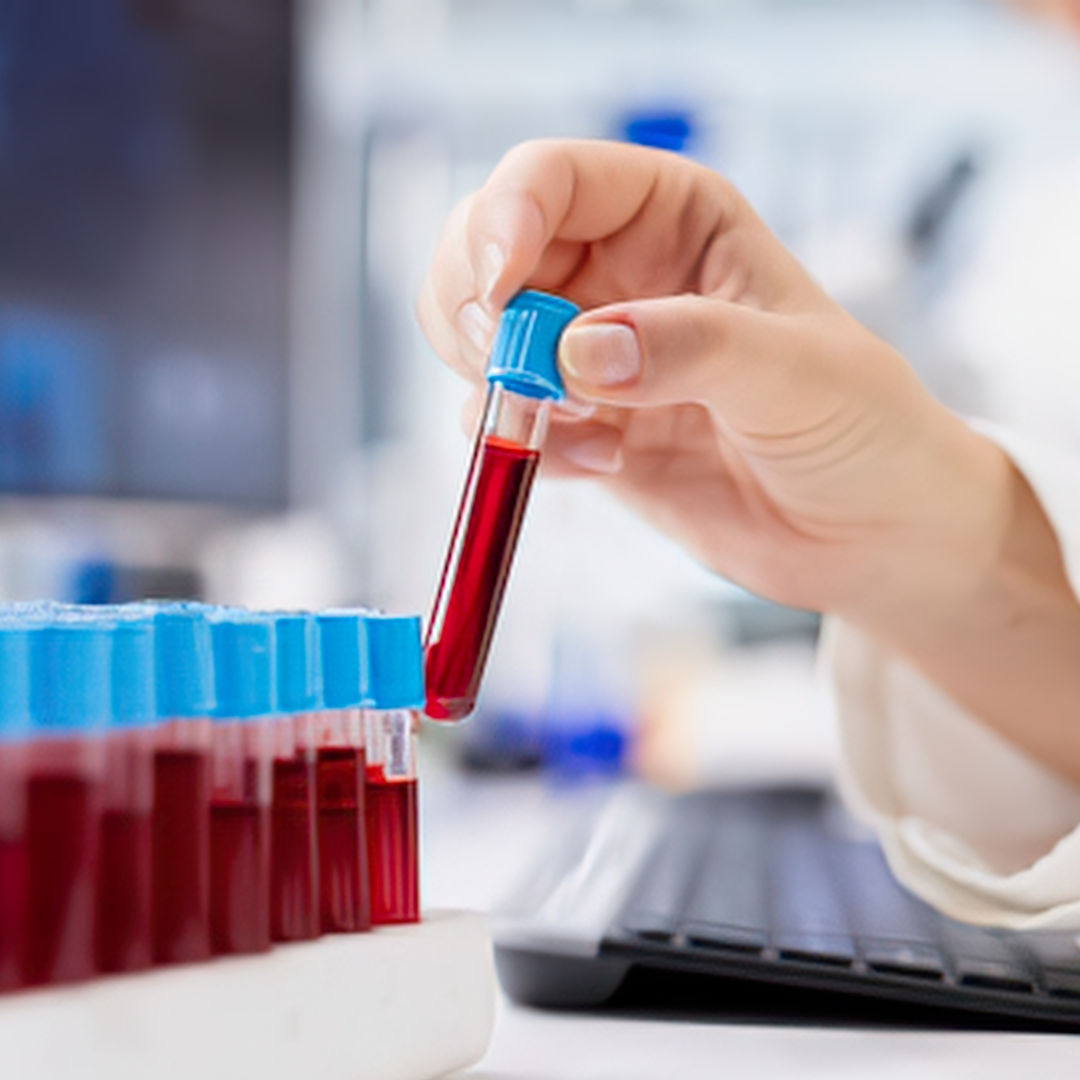
Prof Monagle and his team will investigate why some children develop blood clots during ALL treatment while others do not. They will collect blood samples before children begin asparaginase treatment and at key points during treatment. The team will look at changes in the proteins that help blood to clot and test how well each child’s blood can form and break down clots.
They will then compare these results with each child’s health during treatment, including whether they develop a blood clot. This will help the researchers identify blood patterns linked with a higher risk of clots.
The findings may help doctors predict which children and adolescents are most likely to benefit from medicine to prevent blood clots, while avoiding unnecessary treatment for those at lower risk.
The study was shaped by consultation with parents, carers, young people with cancer and healthcare professionals. These conversations identified treatment side effects, including blood clots, as an important concern for families. They also highlighted the burden of current clot-prevention medicines, which can involve regular injections.
The impact
This project could help doctors tailor blood-clot prevention to the children and adolescents who are most likely to need it.
Because the tests used in this study could be adapted for hospital care, promising findings may be able to be put into practice relatively quickly. In the future, this could help prevent serious blood clots while reducing the number of children who need preventive medicines, injections and their potential side effects.
Children's Cancer CoLab Funding Information
Grant Awarded (Total): $505,035
Project Timeline: 1 September 2026 – 31 August 2029
Impact Program: Transformative Therapies (formerly Safer Therapies)
Lead Institution: The University of Melbourne
Collaborating Institutions: Murdoch Children’s Research Institute, Northern Hospital, Walter and Eliza Hall Institute, Sydney Children’s Hospital; Children’s Cancer Institute Australia, Royal Children's Hospital
Lead Researcher: Prof Paul Monagle
Associated researchers: Dr Chantal Attard, Dr Simon Collett, A/Prof Hui Yin Lim, Dr Laura Dagley, Dr Louise Ludlow, Dr Marion Mateos, Dr Toby Trahair, Dr Rachel Conyers
Contact us to find out more about this project

Articles featuring
Safer asparaginase treatment
Read our latest news
More Funded Projects

Grant Funding
Our program funding is allocated through a competitive process underpinned by robust expert review. We adopt scientific rigour to evaluate each proposal’s potential for impact and alignment with identified childhood cancer research and care priorities.


