Epigenetic control of differentiation in paediatric high-grade glioma
Reprogramming brain cancer tumour cells to respond to treatment.
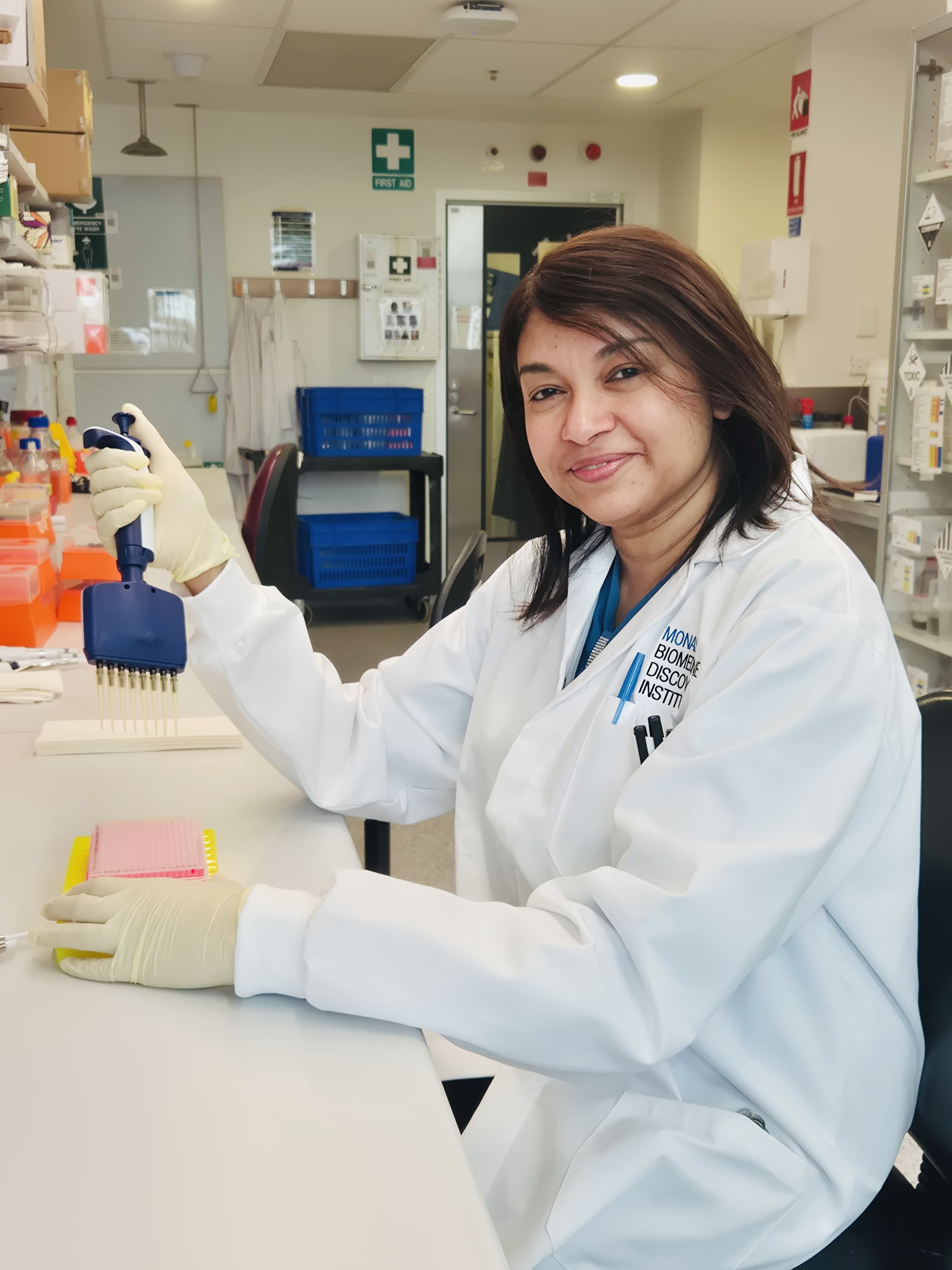
Meet the people on the project
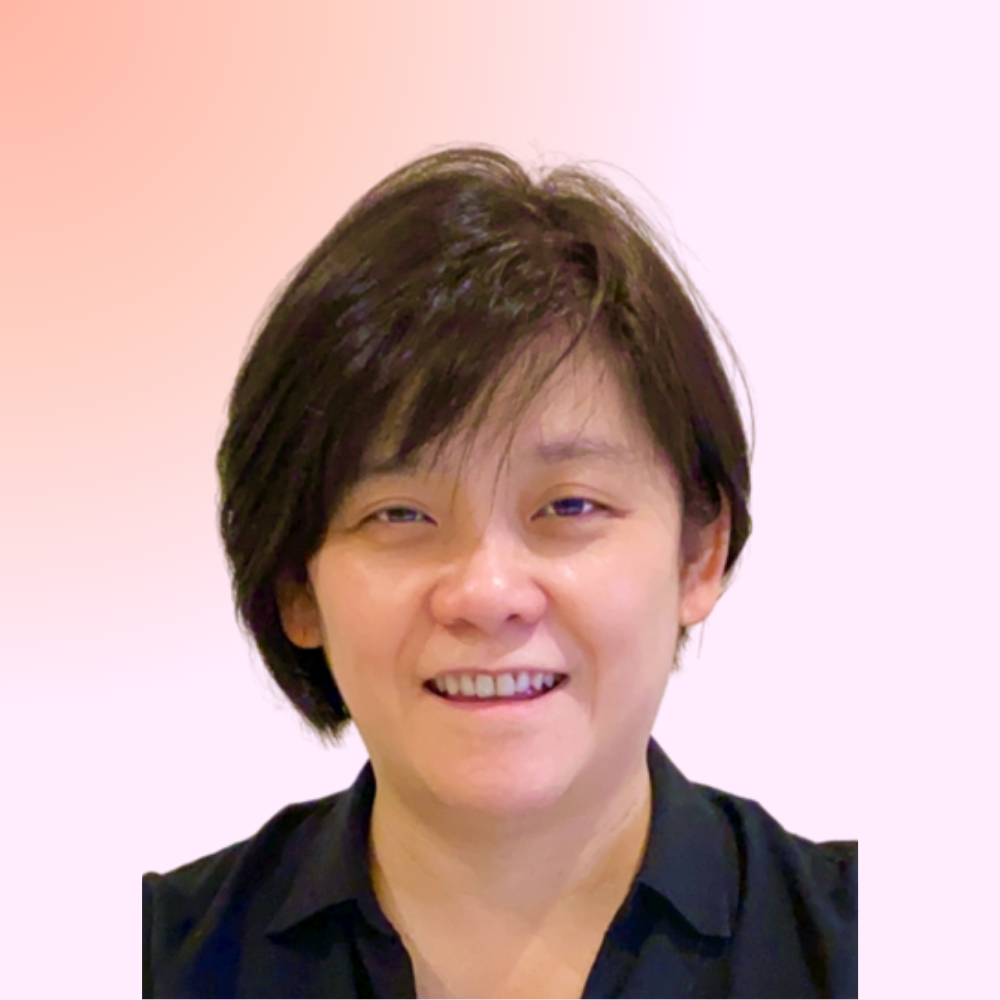
The challenge
Diffuse midline glioma (DMG) is one of the most devastating childhood brain cancers. Most children survive less than a year after diagnosis. Because these tumours grow deep in the brain, surgery is not possible, and current treatments only briefly slow the disease.
A key reason DMG is so hard to treat is that its tumour cells do not develop as normal brain cells should. Instead, they remain in an immature state, keep dividing and help the cancer continue to grow.
The research
Prof Lee Wong and her team are investigating whether they can help DMG tumour cells move out of this immature state. The team has identified a biological switch that controls whether these cells can mature. In DMG, this switch is dysregulated, keeping the cells in a state that blocks maturation and supports tumour growth.
In their models, restoring this switch may encourage DMG cells to behave more like mature brain cells. The researchers will use detailed genetic testing and imaging to see whether the cells become less able to grow and more like normal neuronal cells.
The team will test this approach in more than 30 lab-grown models made from children’s DMG tumours. This will help them understand whether the approach could work across the different forms of DMG seen in children.
They will also look for signs that show whether tumour cells are becoming less immature and less able to keep growing. These signs could help researchers measure whether future treatments are working.
The results will help the team decide which treatment approach is most practical to take forward.
Children and families affected by DMG will help guide this project. Their experiences will help keep the research focused on treatments that could make a meaningful difference, are tested in models that reflect children’s tumours, and consider safety from the outset. Lived experience advisors will also help the team communicate results clearly and keep the research connected to family priorities.
The impact
If successful, this work could open a new direction for DMG treatment by helping tumour cells become less aggressive and potentially more responsive to treatment.
For children and families, this project could provide a clearer path towards new treatments for DMG. It will identify promising areas for future treatment development, ways to measure whether a treatment is having an effect, and the most practical next steps for developing a potential therapy.
This is early-stage laboratory research. If the results are promising, further studies will be needed to refine potential treatments and test them carefully before they can be considered for clinical trials.
Important challenges include getting treatments into the brain, accounting for differences between children’s tumours, and ensuring any future treatment is safe. The team will address these questions by testing the approach across a broad range of tumour models and building safety considerations into each stage of the research.
Children's Cancer CoLab Funding Information
Grant Awarded (Total): $512,000
Project Timeline: 1 September 2026 – 31 August 2028
Impact Program: Transformative Therapies (formerly Next-Generation Therapies)
Lead Institution: Monash University
Collaborating Institutions: Hudson Institute of Medical Research, Murdoch Children Research Institute
Lead Researcher: Prof Lee Wong
Associated researchers: Prof Jiangning Song, Prof Ron Firestein, Prof David Eisenstat, Dr Jieqiong Lou, Dr Hsiao PJ Voon
Contact us to find out more about this project

Articles featuring
Epigenetic control of differentiation in paediatric high-grade glioma
Read our latest news
More Funded Projects


Grant Funding
Our program funding is allocated through a competitive process underpinned by robust expert review. We adopt scientific rigour to evaluate each proposal’s potential for impact and alignment with identified childhood cancer research and care priorities.


