Surviving childhood cancer is not enough: 20+ national organisations call for lifelong support for survivors
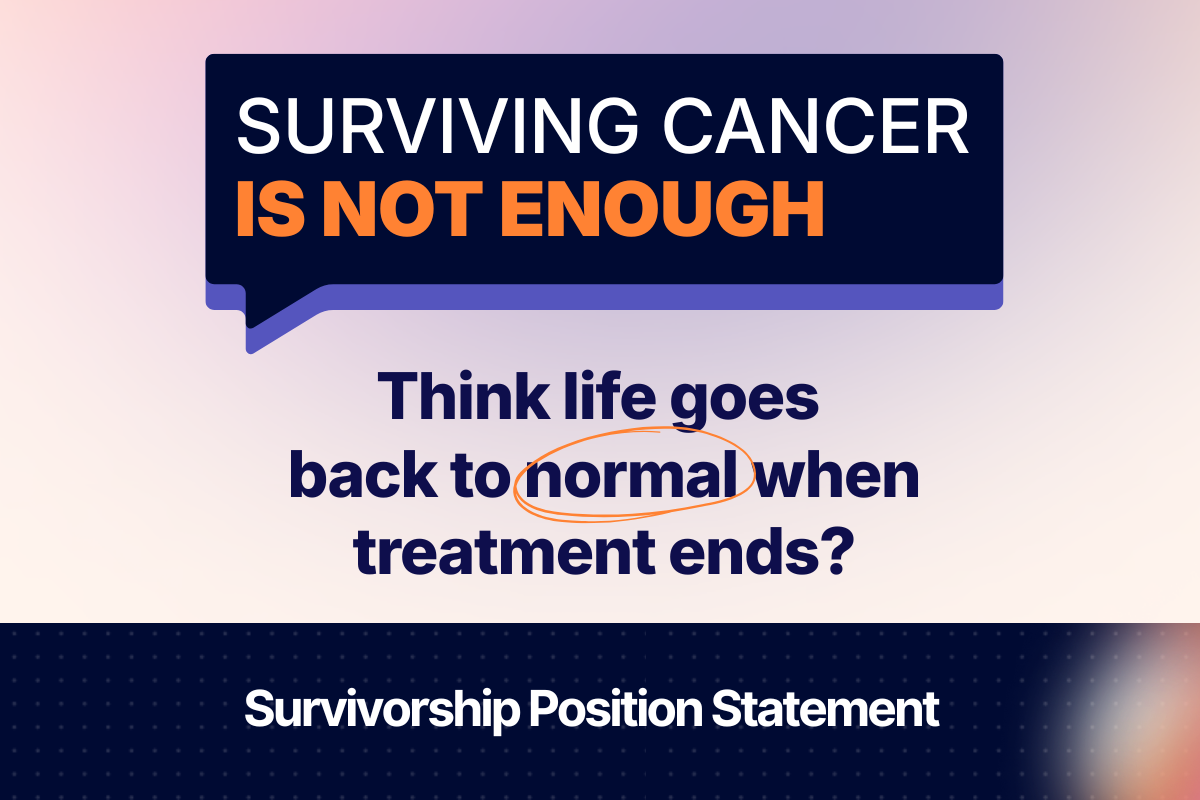
National health, research and advocacy organisations have united to demand lifelong care for childhood and adolescent cancer survivors, warning that around 20,000 Australians are being failed by a fragmented system.
More children and adolescents are surviving cancer in Australia, but for many, it’s the start of a lifetime of treatment-related health issues that may not be fully addressed.
Children’s Cancer CoLab is leading a national push to boost awareness of this hidden health crisis and ensure that survivors receive the ongoing physical and emotional support they need to thrive.
Around 20,000 Australians live with the lifelong consequences of childhood and adolescent cancer, with this number expected to grow by up to 20 per cent over the next decade. Yet dedicated survivorship funding is fragmented and inadequately documented.
The nationally endorsed Childhood and Adolescent Cancer Survivorship Position Statement, Surviving Cancer Is Not Enough, argues that survivorship must be a core part of every cancer plan, roadmap and research agenda.
Eight in 10 childhood and adolescent survivors experience at least one long-term health problem. Their mortality rates are up to 10 times higher than their peers, even decades post-treatment and globally only two-thirds achieve paid employment.
Chronic physical conditions can include heart disease, secondary cancers, neurocognitive and learning difficulties, mental health issues and illness, poorer social and emotional wellbeing, growth and developmental disorders and fertility impairment.
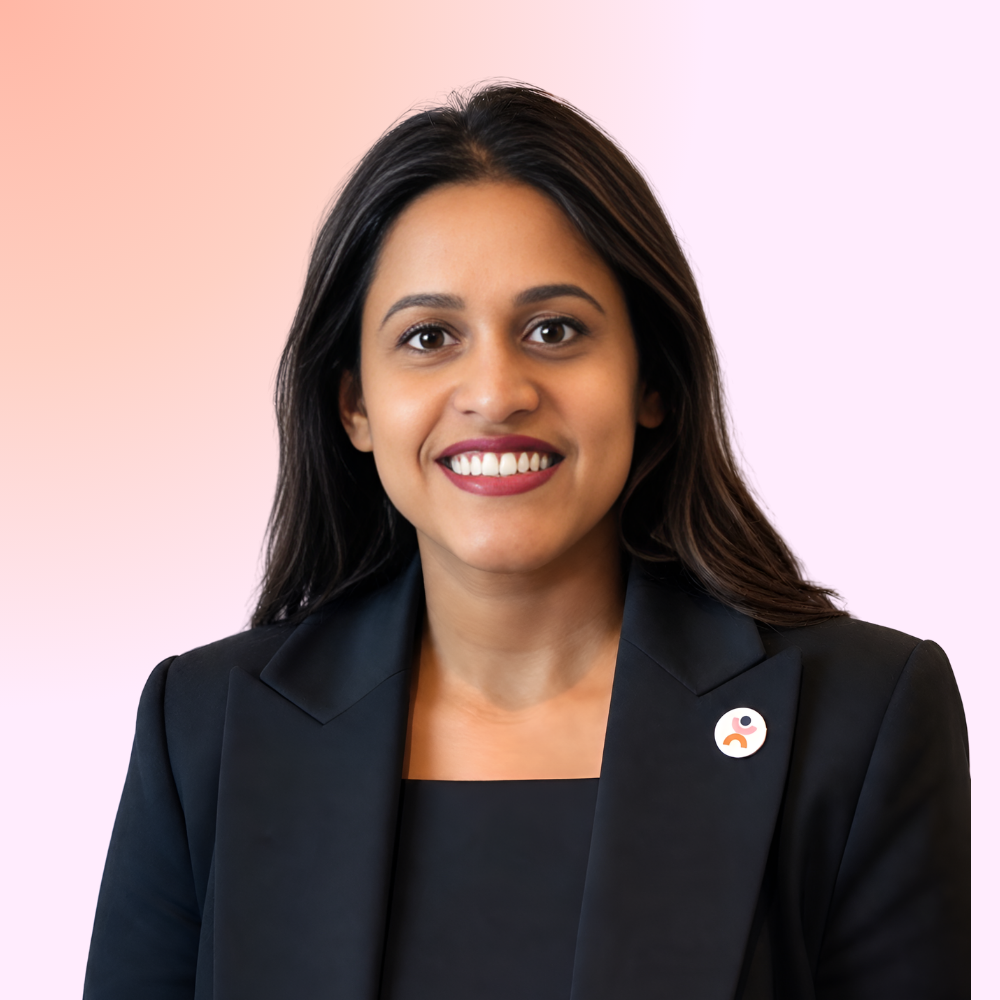
Children’s Cancer CoLab Chief Executive Officer Dr Udani Reets said survivorship was often overlooked and lost in the ‘survived cancer’ narrative. She said more resources were needed to ensure adequate long-term care.
“Survivors do receive a survivorship care plan outlining their needs following treatment, to be used by future health care providers. However, these plans are often confined to a clinical perspective and don’t consider all facets of a survivor’s life. We need holistic care plans linked to funded services for the survivor, their family and carers, who also face challenges such as juggling ongoing care with work, and financial stress. You can have the best care plan, global guidelines or national frameworks, but if patients can't access the support they need, it leaves them distressed and lost.”
The position statement advocates for whole-person, whole-family support, long-term, proactive care coordination, co-developed, evidence-informed care plans and equitable, accessible and sustainable systems and resources.
CoLab Board Chair, Professor Brendan Murphy AC, said coordinated physical and emotional care for childhood and adolescent cancer survivors should be a national health priority.
“We need to recognise survivorship as a lifelong issue. Long-term physical and psychological needs must be addressed in every cancer survivor’s health plan, which is not happening for enough children and young adults after treatment. Survivors often face multiple health and societal challenges, which require coordination across a complex health system. Unfortunately, the long-term support that survivors need often ends when they are too old for the paediatric system. This issue can’t be solved by one organisation, so we have united with charities, hospitals, healthcare organisations, patient advocacy groups and professional bodies across Australia to highlight the urgent need for action. Childhood and adolescent cancer survivors deserve better.”
Learn more about this united sector call and access the Survivorship Position Statement.

Share our stories


Sign up to our newsletter
Stay connected with Children’s Cancer CoLab.
Your support can make a difference
By supporting Children's Cancer CoLab, you become part of a community breaking traditional barriers to accelerate research discoveries, creating real impact for young cancer patients and their families.


