Survivorship Position Statement
A united sector call for survivorship to be a core part of every cancer care plan, roadmap and research agenda
Surviving cancer is not enough
Children's Cancer CoLab and more than 20 leading Australian organisations across health, research and advocacy are calling for greater awareness, effort and investment for the youngest cancer survivors.
Surviving cancer is only the beginning
Every year, about 1,000 Australian children and adolescents are diagnosed with cancer. Survival rates have improved over the past few decades, but the true burden of survivorship remains mostly invisible and unmet.
“People think once treatment is over, you're done. But nobody tells you about what comes after. The physical limitations, the mental health struggles, the financial burden all continue long after the cancer is gone.”
Colbey Alderson, childhood cancer survivor
The scale of the problem
- Nearly 80% of survivors experience one or more late effects, physical and psychological challenges that emerge during or after treatment ends
- Survivorship challenges can persist for years, decades or a lifetime
- Most families endure work disruptions, financial strain, psychological distress and fragmented care
- 1 in 3 adult survivors of childhood cancer globally are unable to participate in paid employment
The impacts don't stop at treatment
Survivors don't just face late effects. They also confront cascading impacts that reshape their social connections and life prospects.
Some struggle to re-enter education and access care systems. Many experience psychological distress, learning difficulties or cognitive changes. Those living in regional and remote areas face additional barriers to specialised care and support, compounding an already difficult path.
Carers and siblings are also deeply affected. They can experience work disruptions, financial strain and emotional toll that can last for years.
A fragmented care system
Our assessment of the current system for survivorship care is that it is inadequate and fragmented. For survivors and their families, they can experience:
- Psychological distress, trauma and mental health challenges
- Social isolation and strained relationships
- Disrupted education and school pathways
- Reduced employability and socio-economic opportunities
- Ongoing and compounding health issues
- Financial strain and uncertainty
- Sustained pressure on family and community support networks, with cascading emotional burden on siblings and carers
Without comprehensive support, these impacts can intensify, deepening inequities, limiting future opportunities, eroding emotional wellbeing, and placing increasing demands on healthcare and community systems.
A critical gap in Australia is the lack of comprehensive, coordinated follow-up care that begins when active cancer therapy ends and continues throughout survivors' lives.
We can and must do better
Some effects from cancer and treatment are not reversible. But with best practice survivorship care and support, the outcomes for young people and their families could be greatly improved.
Best practice care:
- Enables survivors to manage and anticipate late effects
- Reduces disability and premature deaths
- Facilitates re-entry to education and employment
- Supports psychological wellbeing and social connection
- Strengthens family stability and financial security
- Empowers survivors and families as active partners in their care
What we're calling for
We advocate the following principles to achieve best-practice care.
Whole-person, whole-family support
Holistic, person-centred care that is respectful and responsive to each survivor and family's unique circumstances, needs and culture.
Long-term, proactive care coordination
A coordinated team working together to provide timely support for survivors' medical, psychological, educational, vocational, social and financial needs throughout the survivorship continuum — from hospital to home and community, across transitions to adult care.
Co-developed, evidence-informed care plans
Survivors, carers and doctors working together as equal partners to develop individualised care plans that respond to each survivor and family's unique needs and priorities.
Equitable, accessible and sustainable systems
Survivors and families receive tailored support at the right time, with services designed and delivered that are cost-effective, inclusive, accessible, and standard care for all.
Access the full Survivorship Position Statement
The Survivorship Position Statement has been collaboratively developed by the Survivorship Reference Group, comprising national and international experts, clinicians, researchers, lived-experience voices and sector leaders; and the Children's Cancer CoLab's Patient and Family Advisory Committee, ensuring it reflects the real experiences of childhood and adolescent cancer survivors and their carers.
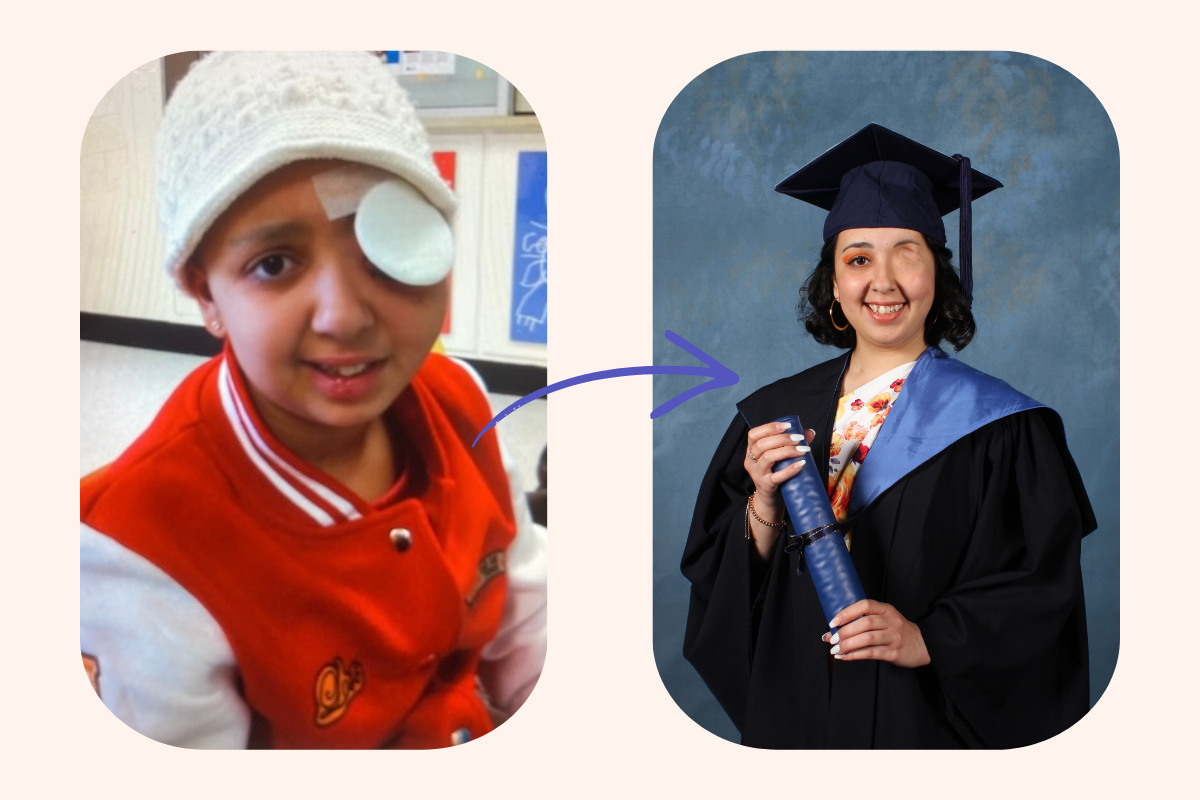
Maryjo's survivorship story
Maryjo survived childhood cancer 15 years ago. Now, managing her long-term effects and advocating for herself has become an exhausting second job that impacts every aspect of her life.
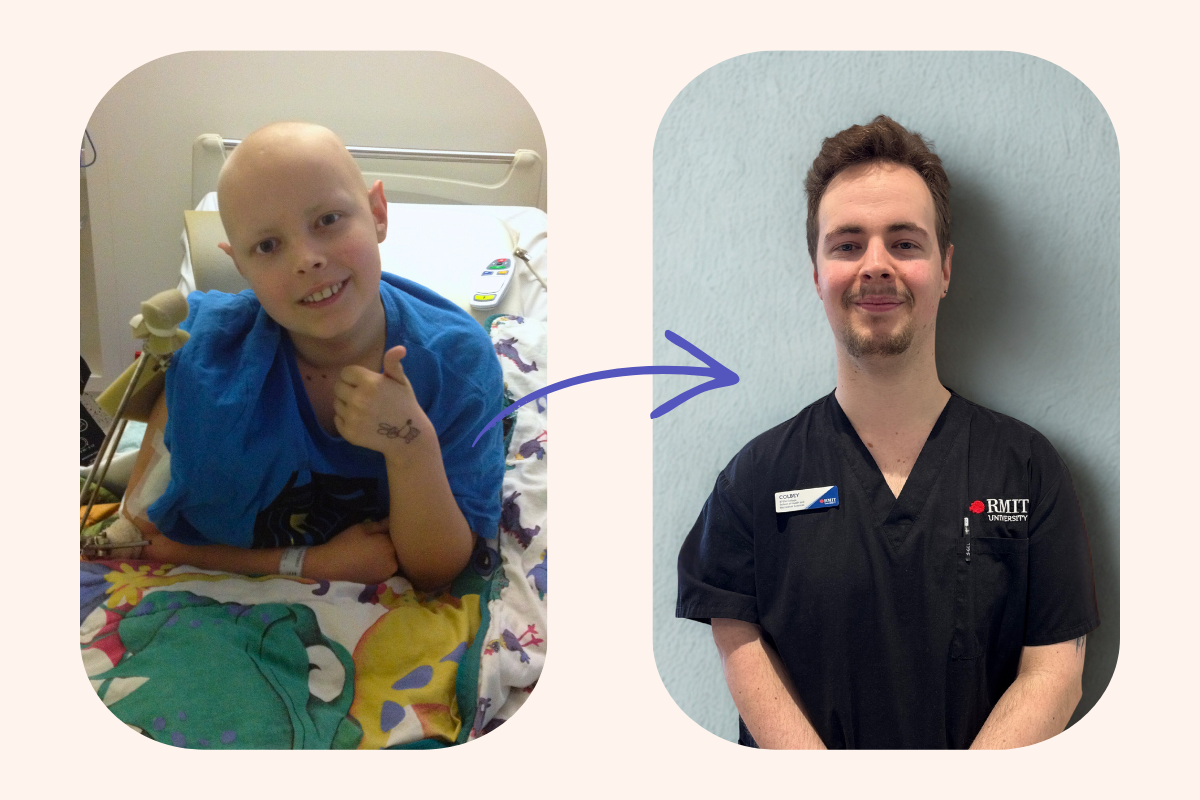
Colbey's survivorship story
Colbey has been cancer-free for nearly 13 years. But the 10-year-old boy who survived Ewing sarcoma still lives with the cancer's aftereffects that nobody prepared him for.

Maya & Sheila's survivorship story
Now a teenager, Maya has been cancer-free for 11 years after surviving neuroblastoma, but the treatments that saved her life have left her with lifelong chronic health issues.
Maya & Sheila's survivorship story
Now a teenager, Maya has been cancer-free for 11 years after surviving neuroblastoma, but the treatments that saved her life have left her with lifelong chronic health issues.

Lucy and Bridgette's story
Lucy and Bridgette met as children when they were undergoing cancer treatment. They went on to build a friendship that turned pain into purpose.

Taylah's story
Taylah was 14 when her world was turned upside down with a cancer diagnosis. She later relapsed as a 19 year old and had a vastly different treatment experience.
Voices that matter
Survivor and family voices are at the heart of everything we do. Children's Cancer CoLab is dedicated to sharing the stories of those whose lives have been shaped by childhood cancer.
Voices that matter
Survivor and family voices are at the heart of everything we do. Children's Cancer CoLab is dedicated to sharing the stories of those whose lives have been shaped by childhood cancer.
What is survivorship?
Cancer survivorship encompasses the lifelong experience that begins at cancer diagnosis and extends through all subsequent life stages. Cancer survivorship reflects the multifaceted physical, psychological, emotional, social, spiritual, educational, and financial consequences of cancer and its treatment for the person diagnosed, as well as for their family, friends, carers, and bereaved family members, who should be considered in planning and providing survivorship support.
Want to know about our survivorship initiatives?

Ways you can make an impact
Your support drives critical research that changes lives. By supporting Children's Cancer CoLab, you become part of a community working to ensure every young patient with cancer survives and thrives. Our model unites top researchers across institutions, breaking traditional barriers to accelerate discoveries from laboratory to clinic, creating real impact for young cancer patients and their families.


