Standing up for the families who come next
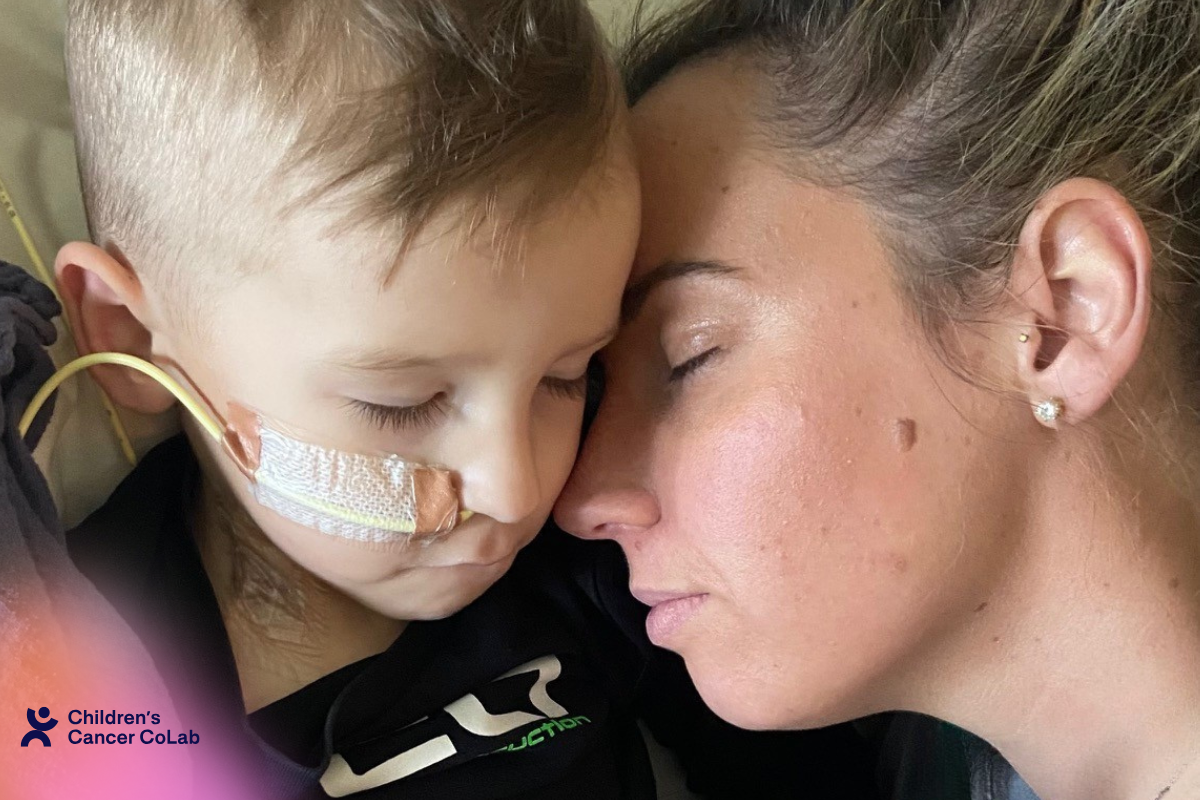

What Candice Forward thought was a virus turned into a life-threatening crisis when she rushed her two-year-old son, River, to the emergency department at St John of God Ballarat Hospital. Upon arrival, he was close to cardiac arrest.
River was urgently transferred to the Royal Children's Hospital intensive care unit, where it was revealed that he had T-cell acute lymphoblastic leukaemia. River was sedated, intubated, and placed on dialysis while his medical team worked to stabilise him before he could start chemotherapy.
“We went from thinking our son had a virus to being told he had cancer. Our whole world was shaken, we were completely overwhelmed, and we went straight into survival mode.”
When River woke up four days later, he didn't speak for eight weeks – a trauma response to his frightening situation.
A brother's courage
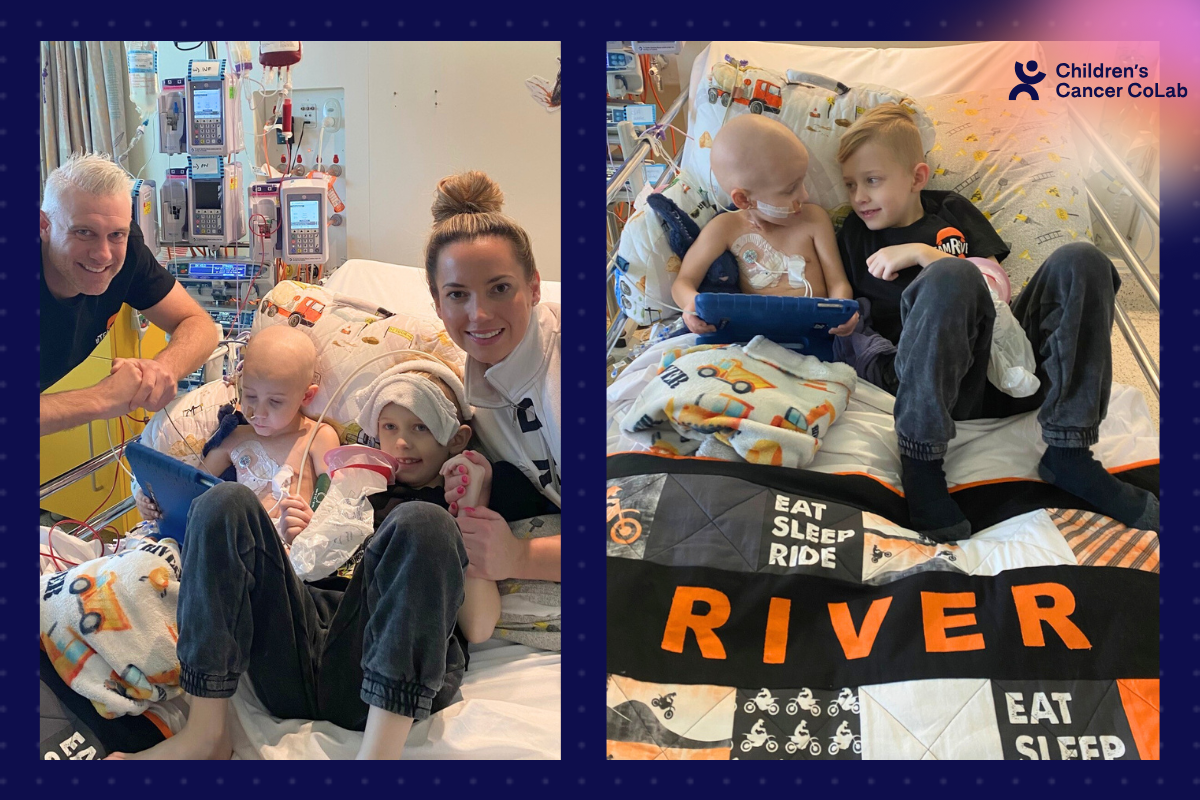
River's oncologist grew concerned he wasn't responding well to treatment, so she suggested testing his siblings for a bone marrow transplant. Seven-year-old Reid was a perfect match. But for a young boy who had watched his little brother suffer in the hospital, facing a medical procedure himself was terrifying.
“We had no psychological support to help navigate these tricky conversations with our eldest son, and we had to be so careful with our words. We couldn't promise Reid that donating his bone marrow would save River's life because nothing was guaranteed, but we had to help him understand he was his brother's best chance of survival.”
On transplant day, Reid sat with River - a moment Candice describes as “beautiful.” But what followed required enormous sacrifice from the entire family.
The costs of caring for a child with cancer
River's father, Rod, left his job to share hospital duties with Candice, alternating shifts at River's bedside. Candice's sister Kristy also quit her job to become River's third carer. And Candice's parents moved down from Queensland to care for River's siblings, maintaining routines and stability at home while their youngest fought for his life.
Their friends and community rallied through Team River - organising fundraisers to help. With three adults out of work to care for River, the family faced mounting costs: daily hospital parking, meals, petrol for hospital trips to Melbourne, and household bills that kept piling up. The government's financial support, available at around $140 a fortnight, barely scratched the surface.
The invisible scars families bear
For Candice, the hospital experience extended far beyond River's suffering - it meant witnessing the pain of other children, comforting parents who had just lost their babies, and carrying the weight of collective grief.
“It really impacts your mental health. You're not just dealing with your own child's cancer. In the hospital, there is no privacy, so you're surrounded by grief, fear and the unknown.”
After nine gruelling months, River’s inpatient cancer treatment ended, and he returned home. But Candice explains that surviving cancer doesn't mean you go back to normal.
“We were completely different people walking out of that hospital. For River, he had to learn how to walk again, needed support with his speech, and adjust to being a ‘normal’ kid at home with his siblings.”
Celebrating milestones, carrying memories
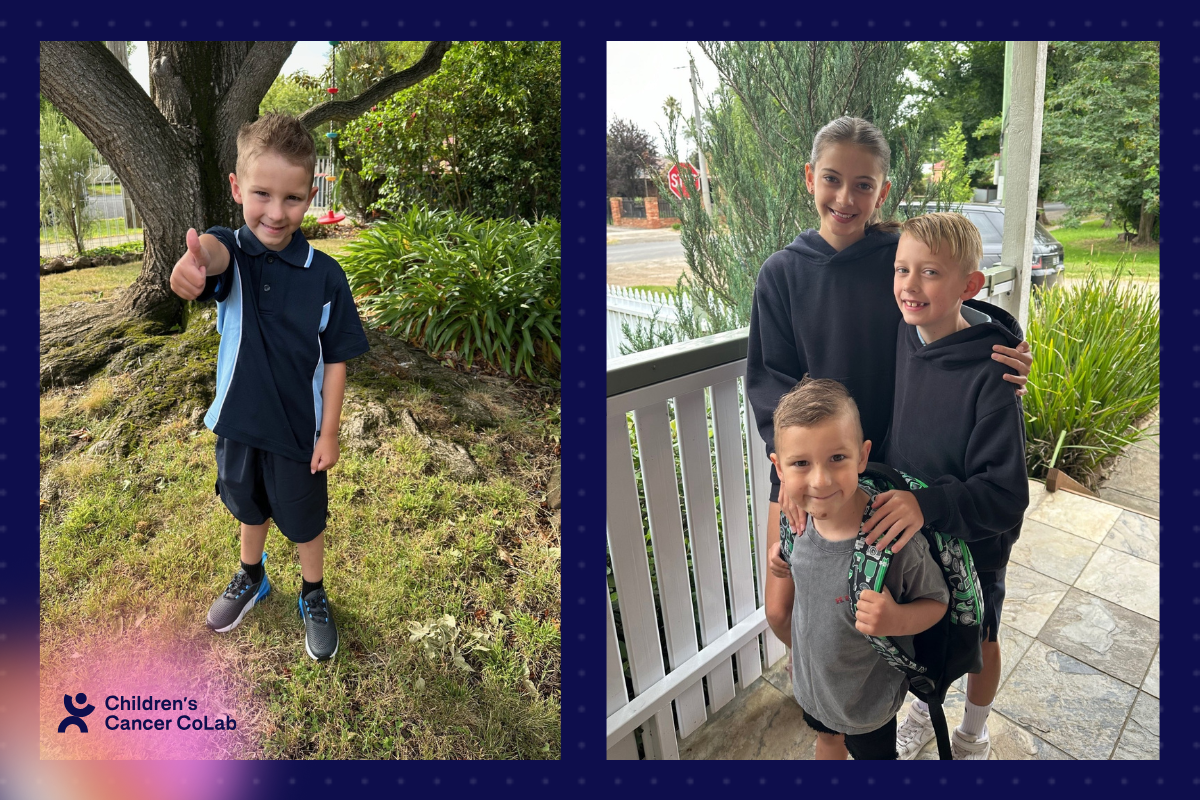
River is now a healthy, happy six-year-old with no apparent physical side effects from his treatment. Although River is now three years in remission, he has two more years of surveillance before relapse can be considered low risk, but to watch him play and laugh, you'd never know what he has been through.
“There was a time when we weren't sure what River's future looked like, let alone thinking about him starting school. There were moments in the hospital when I dreamt of watching my children play outside, their feet in the grass, laughing. Now when they're playing, I put my phone away and take it all in.”
Channelling lived experience into change
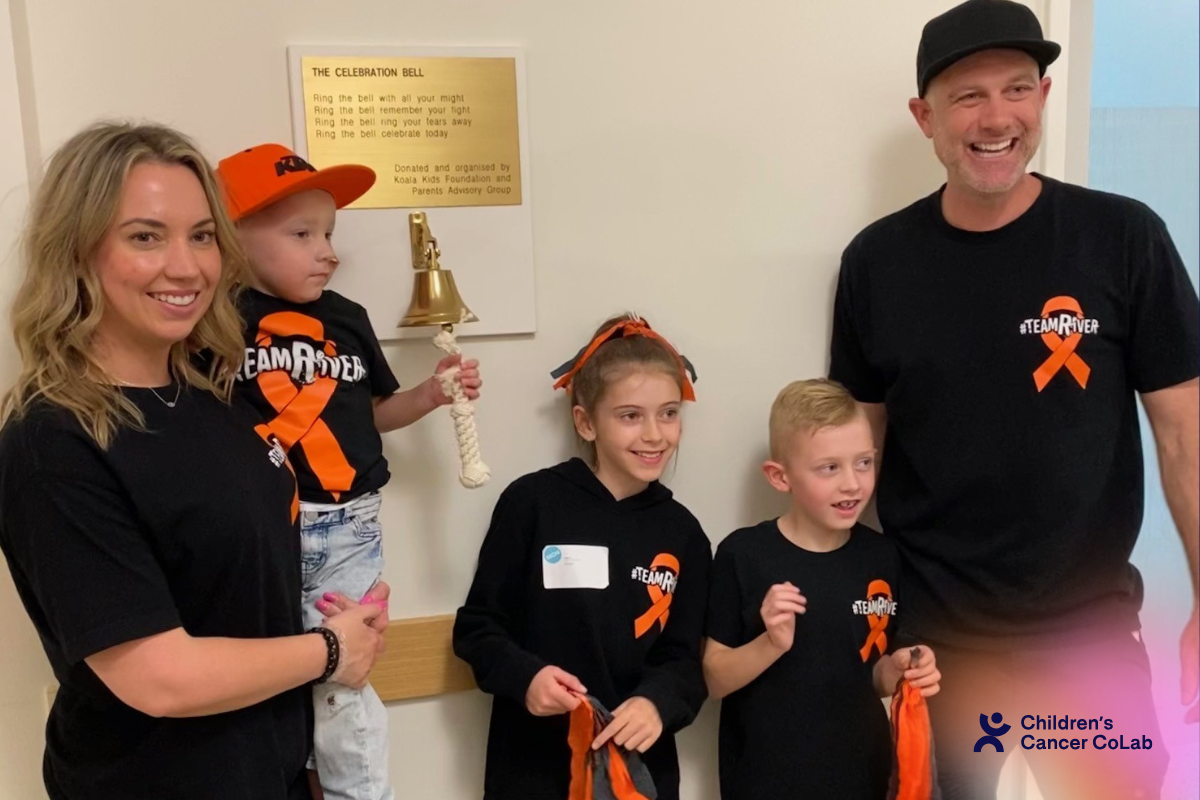
As a member of Children's Cancer CoLab's Patient and Family Advisory Committee, Candice now advocates for areas she knows first-hand are desperately needed for families facing childhood cancer: financial support, mental health care from diagnosis onwards, and practical assistance during treatment.
But one of her most passionate advocacy points is helping clinicians understand the profound impact of simply pausing to be present with families.
“We know doctors and nurses are incredibly busy and under immense pressure, but taking just five minutes to communicate with compassion and clarity - it makes such a difference. Sometimes I felt like we were just ‘bed 207’. But we were real people going through a traumatic and vulnerable time.”
Through the VCCC Alliance Lived Experience Leadership Program, Candice is undertaking the placement component with the Murdoch Children's Research Institute, one of CoLab’s research partners, where she is contributing to the development of high-level principles for involving families and children in advocacy and research.
Messages of hope and purpose
Now three years on from River’s diagnosis, Candice offers a message of hope to parents starting the childhood cancer journey:
“You're not expected to be an expert from the beginning. Find your people and let them help. It's okay to cry and rage. It's also okay to laugh. Advocate for your child - you're part of their medical team. And remember, you're not alone.”
To researchers, Candice offers gratitude:
“We're so grateful for how far medical research has come, and for life-saving bone marrow transplants. But families must have a seat at the table in research and care design because we understand the emotional and financial tolls of childhood cancer.”
When River becomes a teenager, Candice will explain to him the years he barely remembers.
“I want River to know that I didn't just fight for his life – I fought to make sure no other family walks this path alone.”
Share our stories
All stories published by Children’s Cancer CoLab can be shared under a Creative Commons Attribution-NonCommercial 4.0 International license, which means you're welcome to share and adapt our content with proper attribution using the details below.


Sign up to our newsletter
Stay connected with Children’s Cancer CoLab.
Your support can make a difference
By supporting Children's Cancer CoLab, you become part of a community breaking traditional barriers to accelerate research discoveries, creating real impact for young cancer patients and their families.


