Australian childhood cancer survivors missing out - new research to expose gaps in care
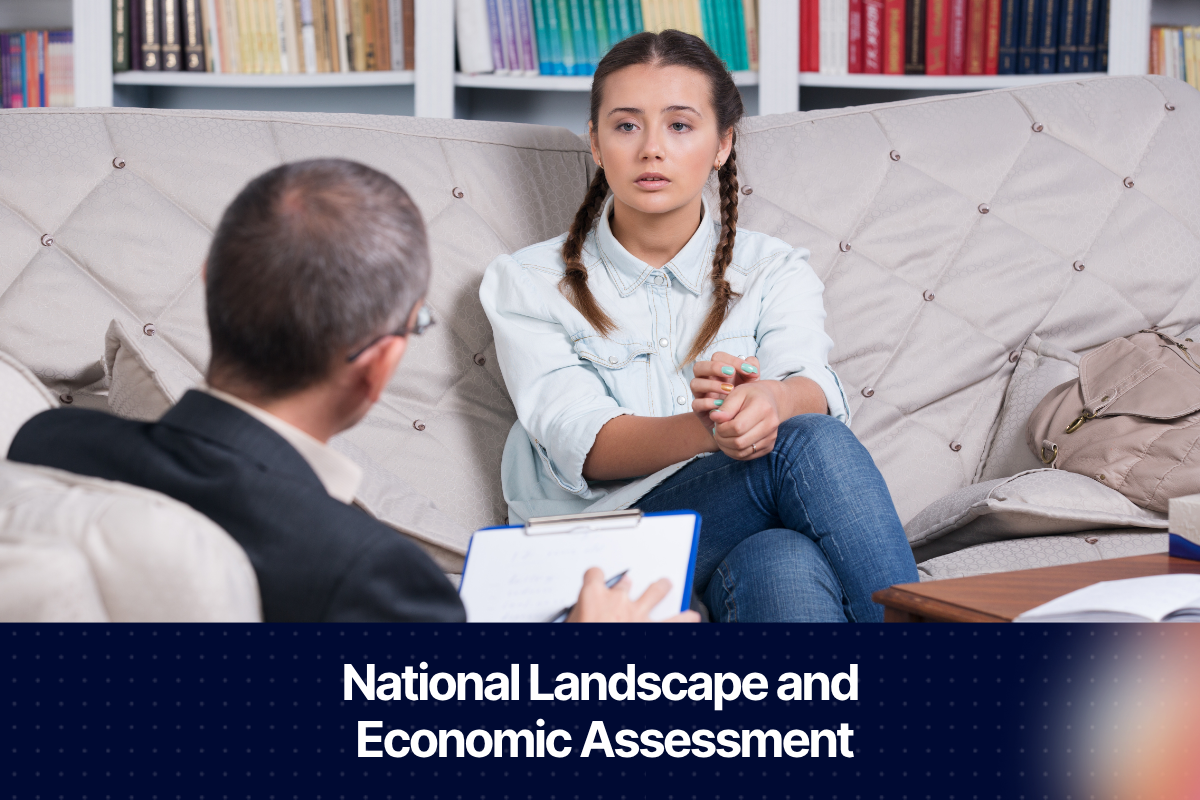
Across Australia, too many children, young people and families are left to navigate the long-term impacts of childhood cancer in a survivorship system that can be inconsistent, fragmented and hard to access.
To address this and understand how childhood and adolescent survivorship care is really working across Australia, Children’s Cancer CoLab has launched a National Landscape and Economic Assessment. This project will map services nationwide and reveal the financial burden of childhood cancer on families and communities.
CoLab CEO, Dr Udani Reets, said the assessment would, for the first time, show what support exists, where the gaps are, and what it will take to build a fairer survivorship system for every child and young person.
“We need an independent, national view because survivorship care should not depend on where a family lives, which hospital they attended, or how confident they are in finding support. Every child and young person in Australia who experiences cancer deserves the best chance to live a long and healthy life,” Dr Reets said.
“With the number of childhood and adolescent cancer survivors in Australia expected to grow significantly over the next decade, now is the time to ensure our survivorship system is ready to support them,” Dr Reets added.
Around 20,000 Australians live with the lifelong consequences of childhood and adolescent cancer, with this number expected to grow by up to 20 per cent over the next decade. Eight in 10 survivors experience at least one long-term health problem, and mortality rates are up to 10 times higher than their peers, even decades post-treatment.
Late effects can include heart disease, secondary cancers, neurocognitive and learning difficulties, mental ill-health, poorer social and emotional wellbeing, growth and developmental disorders, and fertility impairment.
Across Australia, survivorship care is delivered through a complex mix of hospital, primary care, community and charity-based services. While strong follow-up programs exist, access is uneven, and care can vary significantly between states and territories, and across metropolitan, regional and remote communities.
“Survivorship care gaps are even sharper for families in rural and remote Australia and for priority populations already recognised in national cancer plans, including Aboriginal and Torres Strait Islander communities, culturally and linguistically diverse families, and those experiencing socioeconomic disadvantage,” Dr Reets said.
“The assessment builds on CoLab’s growing work in survivorship, including consultation and advocacy that has helped elevate the need for better long-term support for childhood cancer survivors and their families across Australia,” she added.
Alongside mapping services and models of care, the broader project being delivered by Biointelect will also quantify the lifetime economic burden of survivorship, including health system costs, out-of-pocket expenses, and impacts on family income, education and employment.
Services across Australia are now invited to contribute through a national survey and interviews, ensuring the work reflects real-world experiences and priorities. This survey, which closes on Monday 14 September 2026, will be followed by consultations with survivors, families and carers to gather their perspectives.
This work will deliver Australia’s first integrated national picture of childhood and adolescent cancer survivorship care, showing where services exist, who misses out, where the system falls short and what those gaps cost families, governments and the broader economy.
The assessment is due for completion by December 2026, with a final report to be released in early 2027 that will include clear, practical recommendations for governments, services and charities to strengthen survivorship care nationally.


Sign up to our newsletter
Stay connected with Children’s Cancer CoLab.
Your support can make a difference
By supporting Children's Cancer CoLab, you become part of a community breaking traditional barriers to accelerate research discoveries, creating real impact for young cancer patients and their families.


