Lost in the system: Why childhood cancer survivors need coordinated lifelong care
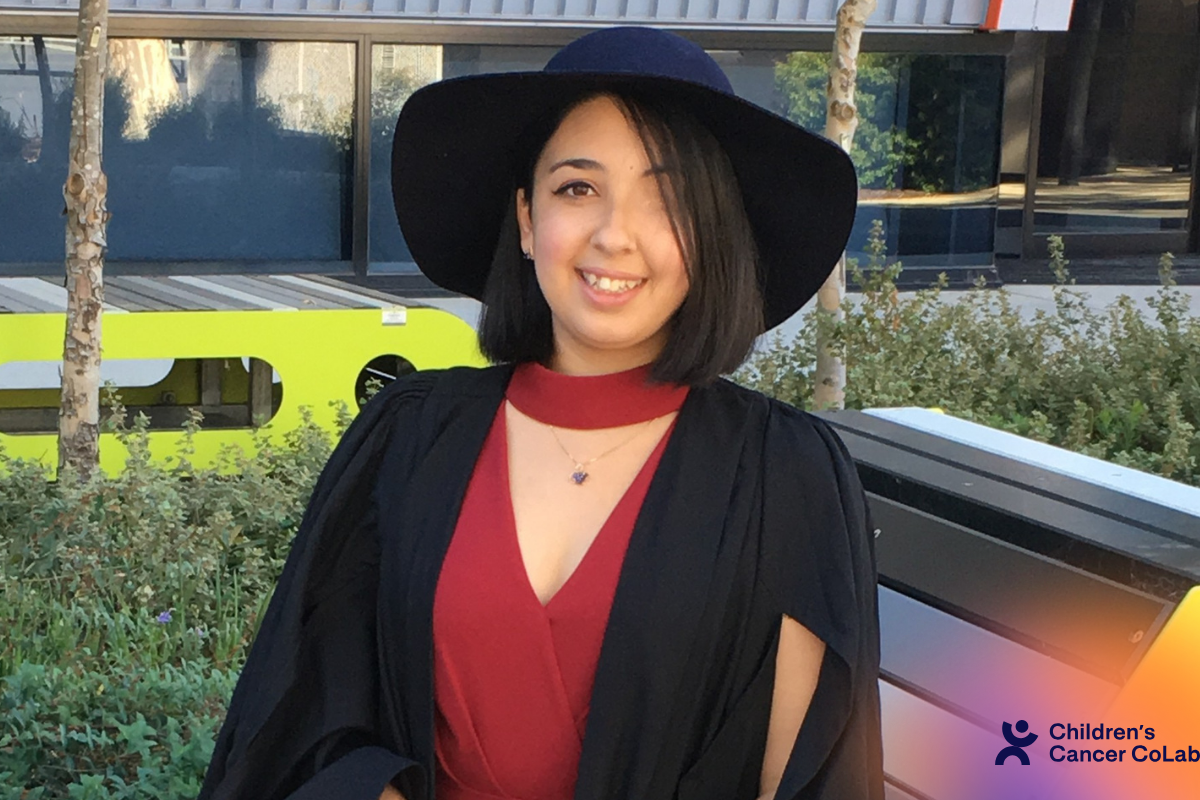

At 27, MaryJo Saliba has been navigating the healthcare system for 15 years. For this childhood cancer survivor, advocating for herself at nearly every appointment has become an exhausting second job.
A childhood interrupted
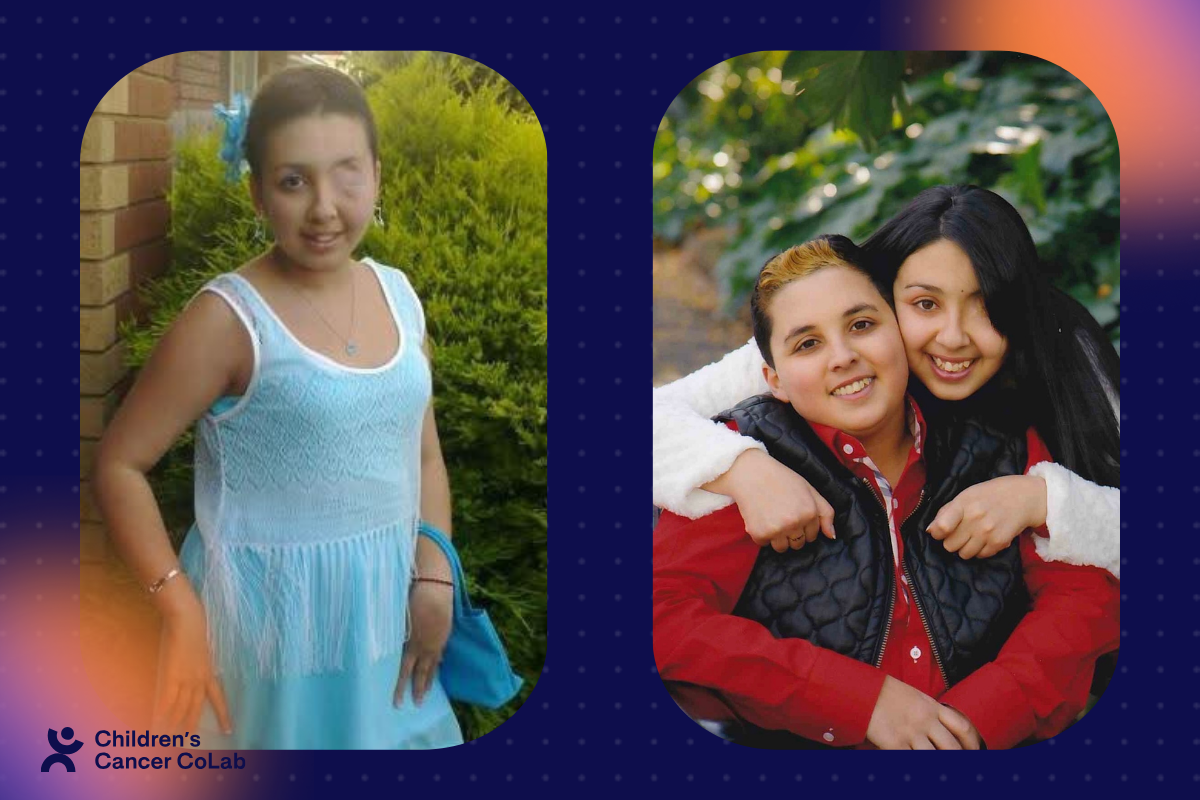
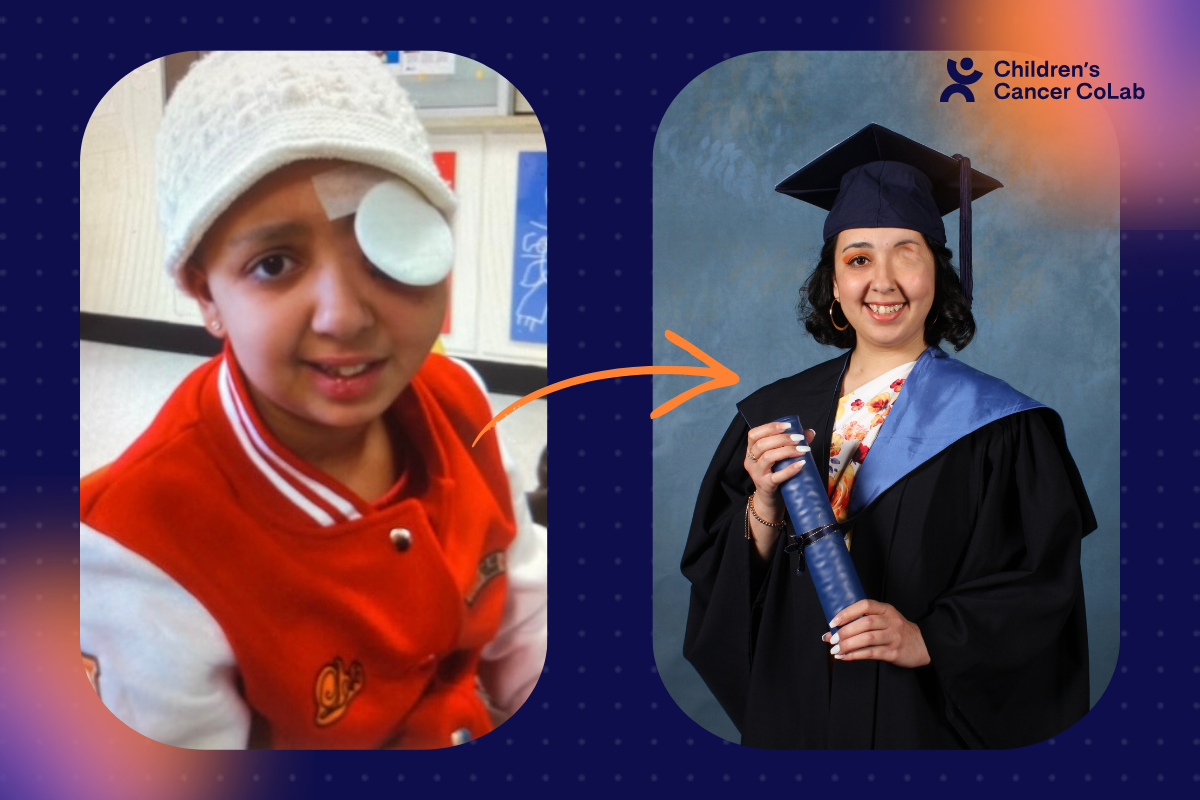
MaryJo was just 12 years old, starting Year 7 at high school, when she began losing vision in her left eye. GPs didn't believe her, specialists misdiagnosed her, and a month passed before she was finally diagnosed with osteosarcoma in the orbit of her left eye.
Nine months of intensive treatment followed: 18 rounds of chemotherapy, 21 days of radiation, and six surgeries, including a 16-hour operation to remove her left eye. MaryJo went into remission in January 2012, believing this traumatic time was over. Weeks later, her younger brother James was diagnosed with osteosarcoma that later spread throughout his body. He passed away in 2015.
“Losing my brother was devastating. James was only 18 months younger than me, and we were really close. It was the hardest thing I've ever been through - harder than my own cancer.”
Navigating a fragmented system
Fifteen years later, MaryJo remains under constant medical surveillance. Testing revealed she carries a genetic mutation causing cancer susceptibility, requiring lifelong monitoring. But navigating the adult healthcare system has become its own exhausting challenge.
“You go into the clinic expecting to see your doctor, and a registrar or consultant walks in who barely knows anything about you. There’s no coordination of my care, and I’m always retelling my story. It's exhausting.”
When there’s no connection across multiple health care settings and clinicians don’t have access to all of a patient’s history, things get missed. Recently, MaryJo discovered something had been present in her scans for a year, but nobody had told her about it.
“I get angry when things get missed. I have to strongly advocate for myself and ask for copies of all my records. If I don't track everything, who will?”
Her experience with GPs can be even more challenging. Small lumps dismissed as cysts have turned out to be skin cancers requiring immediate removal.
“Both James and I were diagnosed late with osteosarcoma, so I know how important early detection is. Now, as a survivor, I must be vigilant because doctors who aren't my specialists don't know my full history, and many don’t have experience treating childhood cancer survivors.”
When work and survival collide
The constant cycle of appointments creates ongoing challenges for MaryJo's employment. Appointments are routinely double-booked, meaning hours of waiting. They're often scheduled midday, making it impossible to complete a full day of work. Phone consultations frequently run late or don't happen at all.
“When you’re waiting all day for a phone appointment about results, the anxiety builds, and it’s hard to focus on work – it disrupts your entire day.”
Every in-person appointment means using sick leave or making up hours, adding to already overwhelming exhaustion - and guilt.
"My workplace is incredibly understanding, but I feel bad about taking time off to attend appointments.”
The financial weight of survivorship
While most of MaryJo's medical appointments are covered through the public system, other costs of survivorship loom large. If she wants to have biological children of her own, she'll need preimplantation genetic diagnosis (PGD) - specialised fertility testing - to ensure she doesn't pass on her cancer-causing genetic mutation.
“The test I’ll need has to be created specifically for my mutation, before even starting IVF, which means significant costs I'll have to plan for.”
What needs to change
After 15 years in the system, MaryJo has clear ideas about what would help survivors to thrive.
“We all understand doctors are incredibly busy, but if they just read the patient's file – even the most recent entry - it would help so much.”
MaryJo also believes there's a critical gap: a dedicated clinical space for young adult survivors of childhood and adolescent cancer that offers comprehensive, multidisciplinary care and support.
In her early 20s, MaryJo tried to access a young adult oncology program but was turned away because she wasn't on active treatment. Instead, she was classified as 'late effects' and sent to the adult clinic.
“After being transferred into the adult healthcare system once I turned 18, I found myself sitting in waiting rooms surrounded by 80 and 90-year-olds who are dealing with very different survivorship challenges. I was the only young person in the oncology clinic – it was isolating and depressing.”
Turning experience into purpose
MaryJo has channelled her experiences into meaningful work. Her cancer journey inspired her career in genetics, and she now works as a laboratory technician processing fertility genetic tests.
As a member of Children's Cancer CoLab's Patient and Family Advisory Committee, MaryJo is determined to improve the system for survivors.
“I don't think you're ever truly free from cancer. You’re always waiting to see what's coming next. Even though I'm considered cancer-free, the care never stops. The constant scans, the appointments - survivorship never ends.”
For MaryJo, survivorship isn't just about being cancer-free. It's about advocating for a healthcare system where survivors don't fall through the cracks once treatment ends.
Learn more about CoLab’s survivorship initiatives.
Share our stories
All stories published by Children’s Cancer CoLab can be shared under a Creative Commons Attribution-NonCommercial 4.0 International license, which means you're welcome to share and adapt our content with proper attribution using the details below.


Sign up to our newsletter
Stay connected with Children’s Cancer CoLab.
Your support can make a difference
By supporting Children's Cancer CoLab, you become part of a community breaking traditional barriers to accelerate research discoveries, creating real impact for young cancer patients and their families.


