The childhood cancer struggles nobody talks about
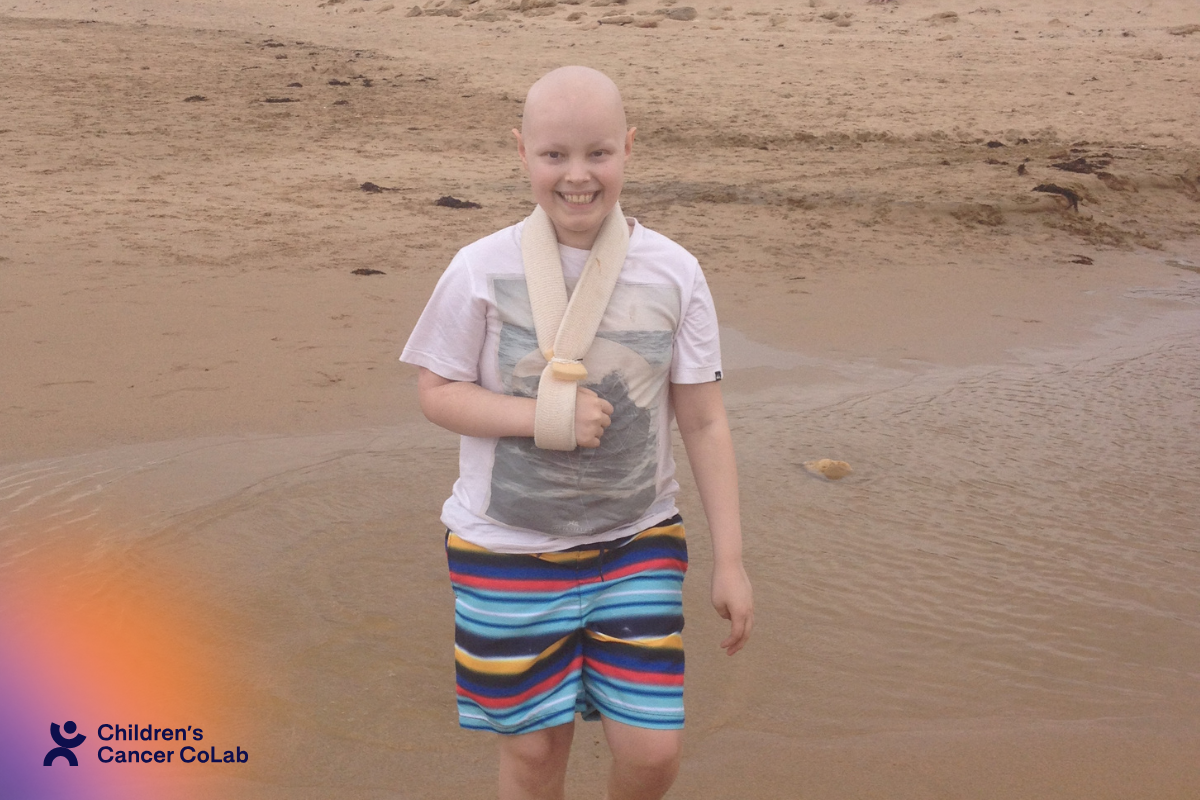

At 23, Colbey Alderson has been cancer-free for nearly 13 years. But the 10-year-old boy who survived Ewing sarcoma still lives with the cancer's aftereffects that nobody prepared him for.
The invisible scars that never heal
Colbey was just 10 years old when excruciating pain in his right arm led to a devastating diagnosis: Ewing sarcoma, a rare bone cancer affecting approximately 15 Australian children under the age of 15 each year. After 15 rounds of intensive chemotherapy, Colbey went into remission on his 11th birthday.
But remission didn't mean the end of his cancer journey.
“People think once treatment is over, you're done. You beat it. But nobody tells you about what comes after. The physical limitations, the mental health struggles, the financial burden all continue long after the cancer is gone.”
A mind that won't forget
During treatment, Colbey experienced severe depression but was only offered a single psychiatry session, which left him feeling dismissed, angry and helpless.
“The cancer treatment was so brutal that I just wanted to leave the hospital and never come back. What I needed at that time was someone to sit patiently with me, and explain what was going on.”
Over the past 13 years, Colbey has cycled through six different psychologists and psychiatrists, searching for someone to help him process the unique trauma of childhood cancer. Each session costs money, even with rebates. Only recently has his psychiatrist suggested he is finally ready to move forward from his cancer-related mental health challenges.
The psychological scars run deep for his family too. Colbey’s mother still fears his cancer will return. His younger sister, who was just seven when Colbey was diagnosed, now worries she'll develop cancer herself.
A body that remembers
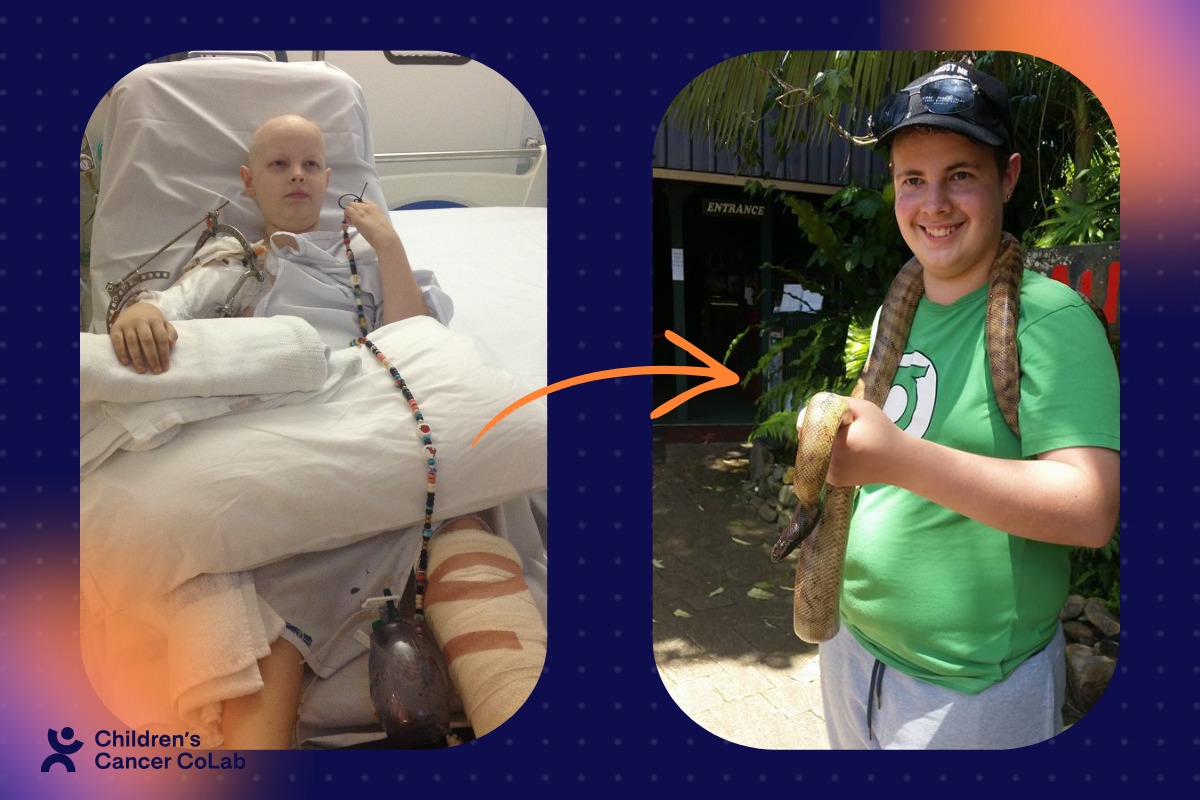
The physical impacts of Colbey’s cancer and treatment refuse to fade. He has limited mobility in his arm that was riddled with cancer, and he takes longer to recover from illnesses and infections.
Then there's “chemo brain”- the cognitive fog that plagued him throughout high school and university. Although less frequent now, it still occurs alongside fatigue.
Regular specialist appointments are part of Colbey’s life. Skin checks every six months for potential secondary cancers, dental work for teeth damaged by chemotherapy, and ongoing monitoring by oncologists and his GP. Each appointment is a reminder that cancer's shadow lingers.
The conversations that never happened
Perhaps most painful is what wasn't discussed. While much attention is given to fertility preservation for females, young male cancer patients often fall through the cracks.
Nobody talked to Colbey or his mother about fertility preservation before, during or after his chemotherapy treatment. It wasn't until Colbey moved into adult long-term follow-up care that doctors finally mentioned his fertility might be affected.
“They waited over a decade to tell me I might not be able to have biological children, and by then, it was too late to do anything about it.”
Colbey has heard similar stories from other young male cancer survivors, suggesting little has changed over the years in how fertility is addressed for boys with cancer.
The ongoing cost of survival
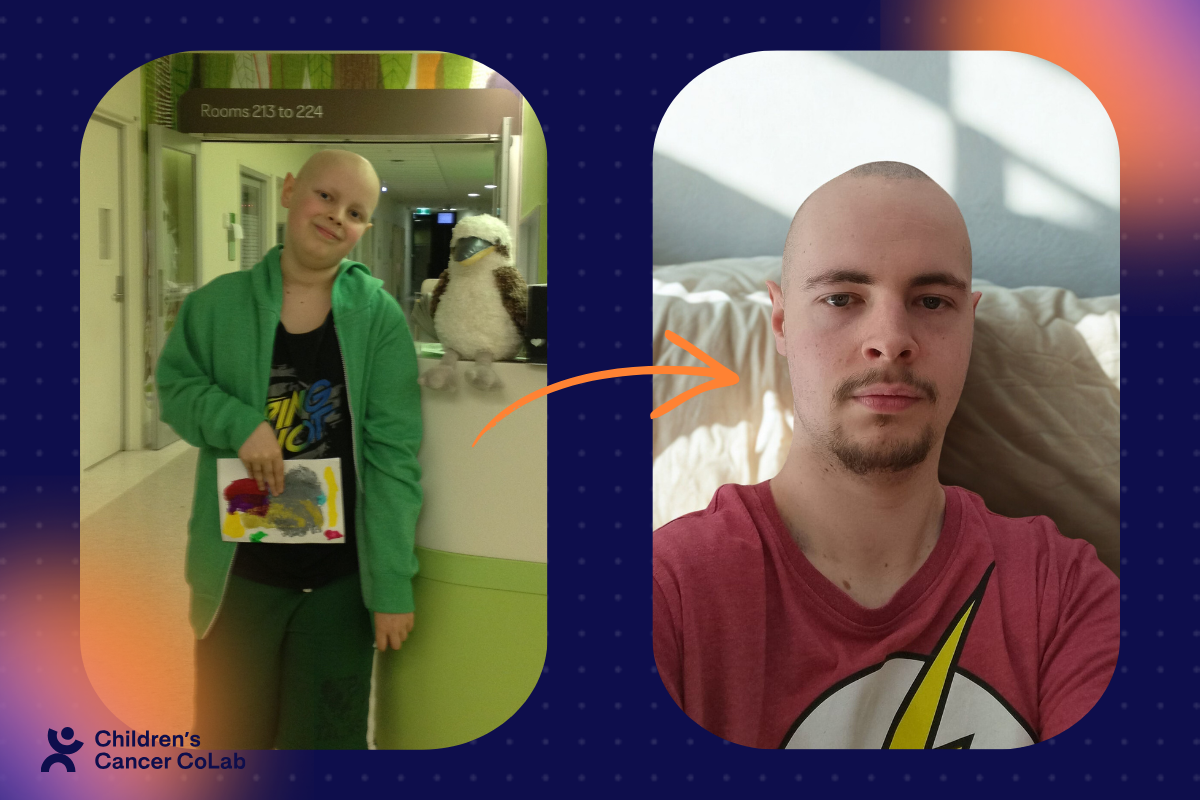
The financial burden of cancer extends far beyond active treatment. Ongoing psychological care, specialist appointments, and unexpected health complications all come with costs. As a newly graduated nurse, Colbey is acutely aware of how these expenses accumulate over a lifetime.
“People assume that surviving cancer means you're cured and life returns to normal, but that's not the reality. You're managing the aftereffects of cancer for the rest of your life, and that comes at a high cost financially, physically, and emotionally.”
Advocating for change
Now working as a graduate registered nurse, Colbey’s goal is to become a paediatric oncology nurse and return to the same hospital where he was once a patient.
“The nurses were my heroes during treatment. They played games with me and offered support when I needed it most. I want to be that person for other kids and families going through cancer. I understand their fear, their pain, and what they need because I've lived it.”
As a member of Children's Cancer CoLab's Patient and Family Advisory Committee, Colbey’s also determined to improve survivorship care at a systemic level.
“We need to talk more openly about survivorship so people understand what life is really like after childhood cancer. We must push for better care systems that support survivors throughout their entire lives, not just during treatment.”
For Colbey, surviving cancer was just the beginning. Ensuring better support for future survivors is the work that he is now championing with Children’s Cancer CoLab.
Learn more about CoLab’s survivorship initiatives.
Share our stories
All stories published by Children’s Cancer CoLab can be shared under a Creative Commons Attribution-NonCommercial 4.0 International license, which means you're welcome to share and adapt our content with proper attribution using the details below.


Sign up to our newsletter
Stay connected with Children’s Cancer CoLab.
Your support can make a difference
By supporting Children's Cancer CoLab, you become part of a community breaking traditional barriers to accelerate research discoveries, creating real impact for young cancer patients and their families.


