A story of hope: Seb's life after cancer
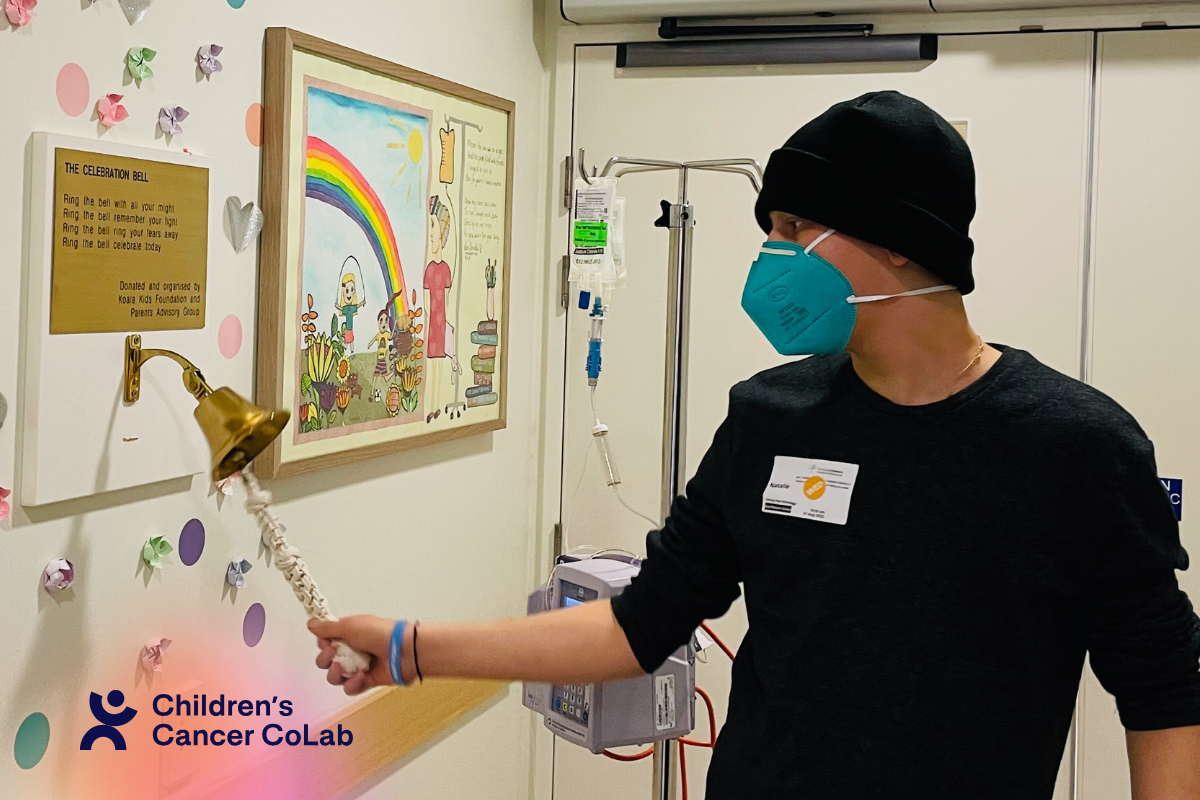
On the day Sebastian Khoury was diagnosed with cancer, he was an ordinary 15-year-old. He went to school, he came home, and then his dad walked into his bedroom and told him the doctors thought he had cancer.
An unexpected diagnosis
It was 2022, and Seb, from Melbourne's northwest, had been experiencing an unexplained itch. A routine ultrasound led to a CT scan, which led to a diagnosis that would change everything: Stage 4 Hodgkin lymphoma. For Seb, the diagnosis carried an added weight. His mum had faced the same cancer a decade earlier. Now it was his turn.
“My whole world shifted. I went from being a healthy, normal 15-year-old to someone who'd just been told they had cancer.”
Gruelling treatments and complications
Six months of intensive chemotherapy followed. Along the way, Seb developed avascular necrosis, a rare and agonising complication where the steroids used as part of his treatment reduce blood supply to the bones, causing them to die. In Seb’s case, it spread throughout his entire lower body. There were nights he was in so much pain that he couldn't get out of bed to reach his pain medication. There were days he crawled up staircases, refusing to give in.
But Seb got through it. His treatment ended, and more than three years on, he remains cancer-free.
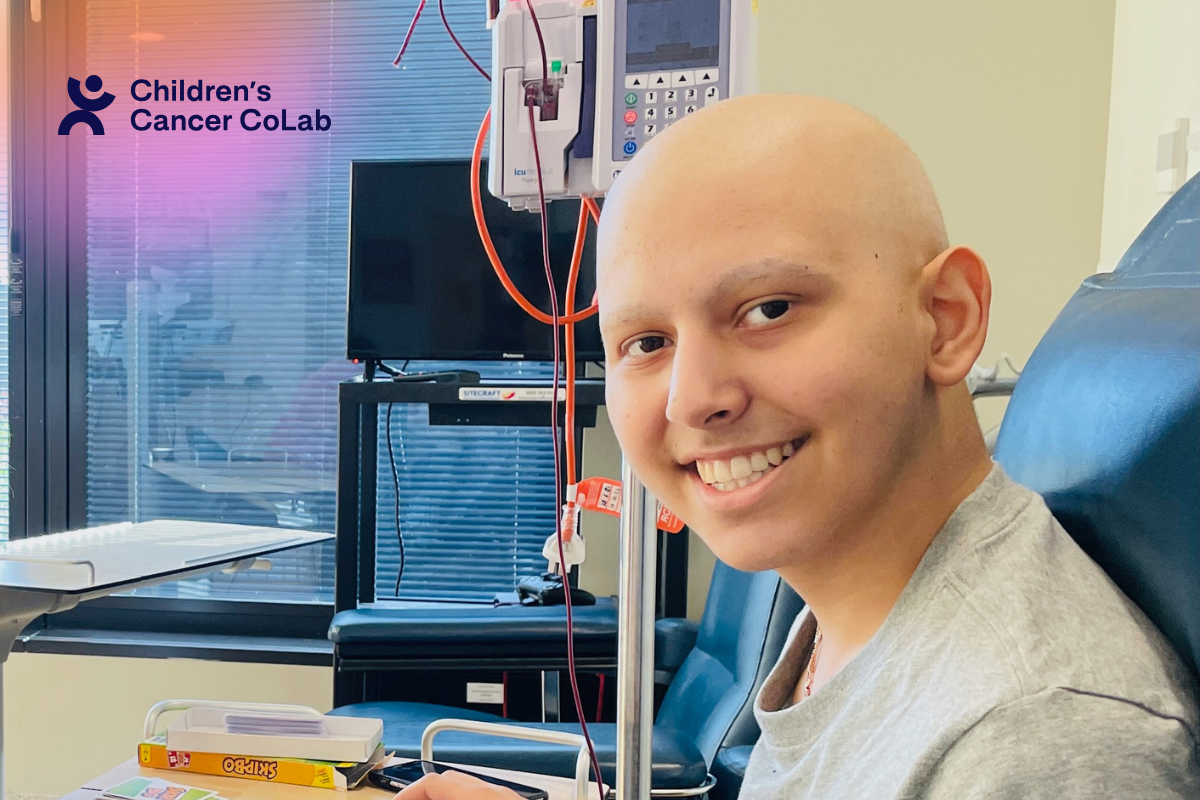
Life on the other side
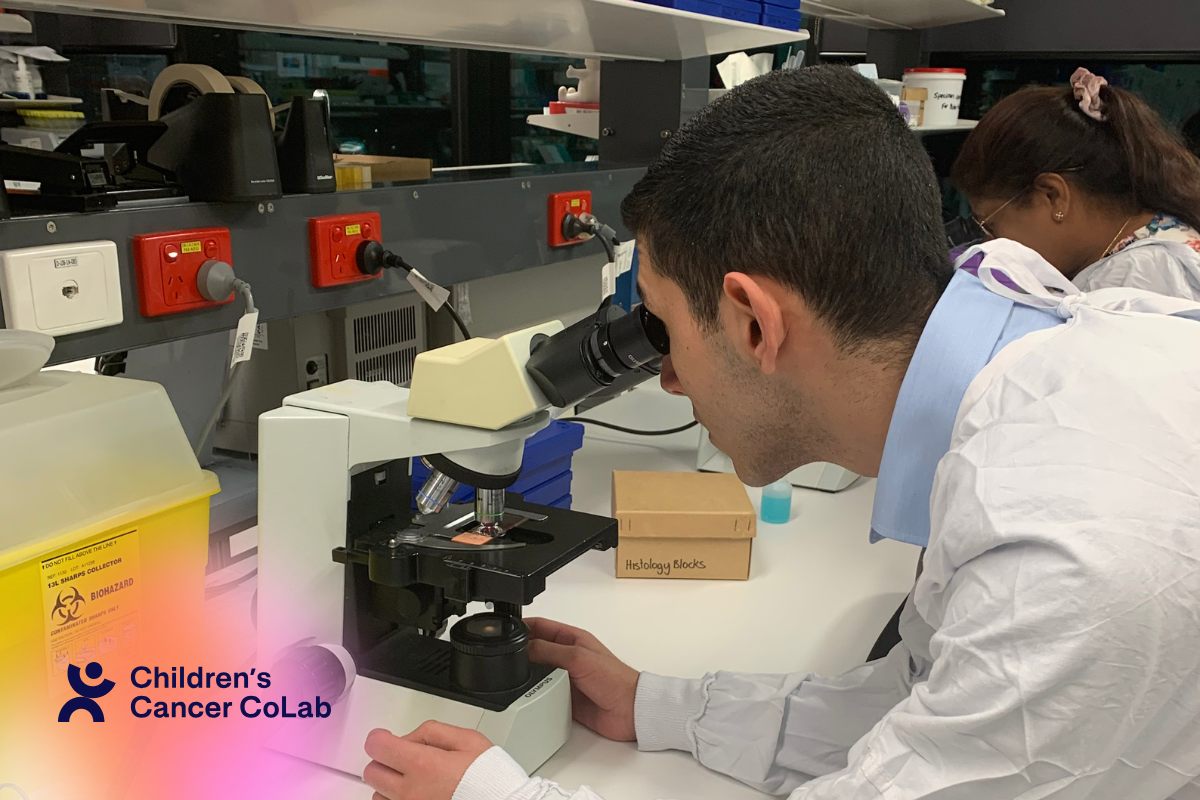
Today, Seb is 19 years old and in his second year of medicine at Monash University, pursuing a career shaped directly by his experience as a cancer patient. He has become a strong advocate for childhood cancer and is coordinating a blood donation drive for Monash Medical School, inspired by receiving numerous blood transfusions during his own treatment. He also co-authored a memoir with his mum, The Worst Best Year, to help other families facing childhood cancer.
Seb's outcome, while remarkable, is no longer as rare as it once was. Thanks to decades of medical research and advances in treatment, five-year survival rates for children with Hodgkin lymphoma now exceed 95%, up from just 66% in 1975. By any measure, Seb's story is one of significant hope, a life restored by modern medicine and now lived to its fullest.
The burden cancer leaves behind
For Seb, cancer's most lasting impact is not on his body, but his mind. It stole the comfort of ignorance.
“Before I was diagnosed, an itch was just an itch. Now I know that the smallest symptom can be something much larger.”
About a year ago, Seb developed a rash and intense itching, the very symptoms that had preceded his cancer diagnosis. He found himself comparing photos of the new rash to old ones. A night sweat in the middle of winter sent him rushing downstairs to check if the heater had been left on.
“I will forever have that little piece of doubt in the back of my mind, saying, 'What if it’s cancer?’”
For childhood and adolescent cancer survivors, the end of treatment is not the end of their story. The fear of recurrence, the hypervigilance, and the loss of that innocence are the invisible burdens that can follow survivors for life. Seb continues to see a psychologist and credits that ongoing support, combined with his growing medical knowledge, with helping him make peace with the unknown.
A message for researchers
For the medical researchers working to improve outcomes for children like Seb, he has a powerful message.
“I imagine that when the hours are long and the work is hard, it can be difficult to stay connected to the end goal of your research. But kids like me are the reason your work matters. So, on the days when it feels thankless or never-ending, remember that somewhere out there is a kid who needs you to keep going. We are more grateful for your work than you will ever know.”
Seb's story is proof of what's possible when research, medicine, and care come together. Stories like his are the reason Children's Cancer CoLab funds childhood cancer research, because every child deserves the same chance Seb had, not just to survive, but to truly thrive.


Sign up to our newsletter
Stay connected with Children’s Cancer CoLab.
Your support can make a difference
By supporting Children's Cancer CoLab, you become part of a community breaking traditional barriers to accelerate research discoveries, creating real impact for young cancer patients and their families.


