The treatments saving children can also change them forever
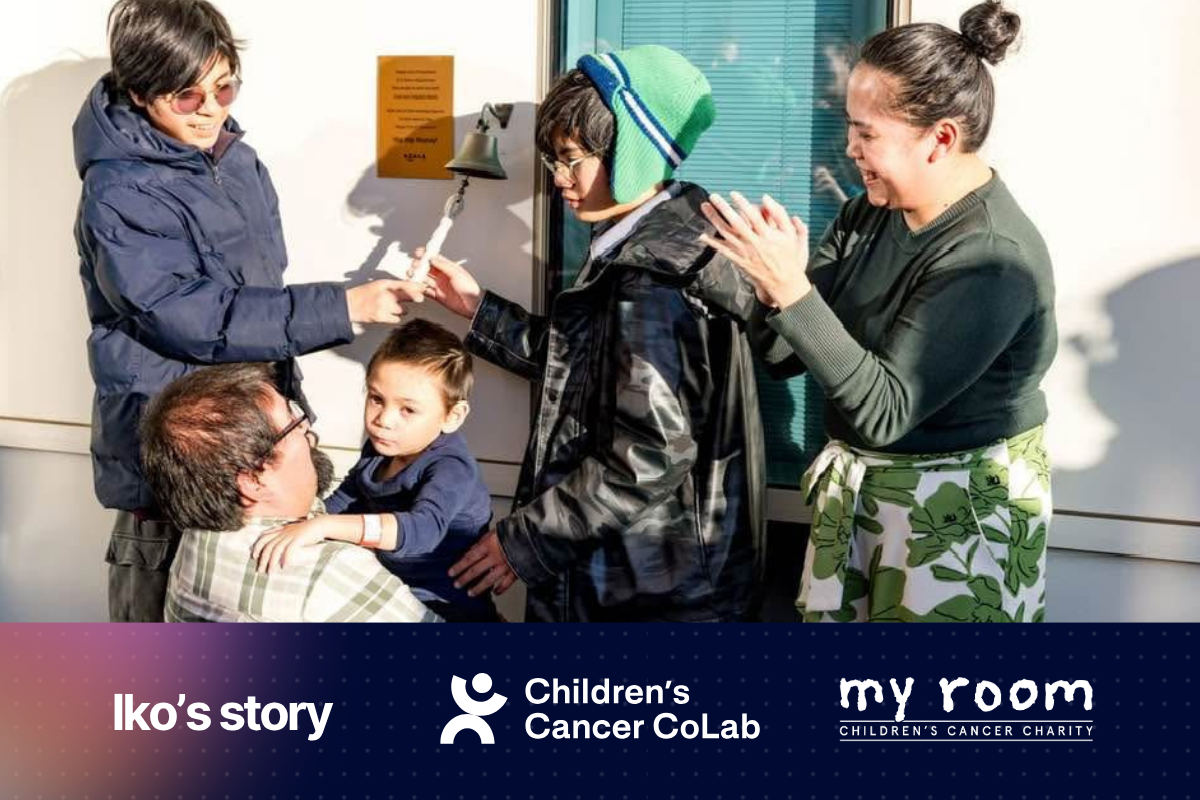
For Anne’s son Iko, surviving childhood cancer came with lifelong impacts. His story shows why children need transformative therapies designed for growing bodies.
A diagnosis just days before Christmas
When Anne’s youngest son, Iko, was two years old, she noticed his tummy had become unusually swollen, and he was floppy in her arms. His fever wouldn’t break and he kept getting worse. Hospital visits brought no clear answers, but Anne instinctively knew that something was very wrong.
Just days before Christmas, that fear was confirmed. After blood tests and scans, a doctor told Anne that Iko had T-cell acute lymphoblastic leukaemia that had already spread to his spine and brain. Iko was given only a 1% chance of survival.
“In that moment, his childhood was ripped away from him in seconds. A childhood that should have been simple and carefree suddenly became hospitals and procedures.”
Life saving treatment with life long consequences
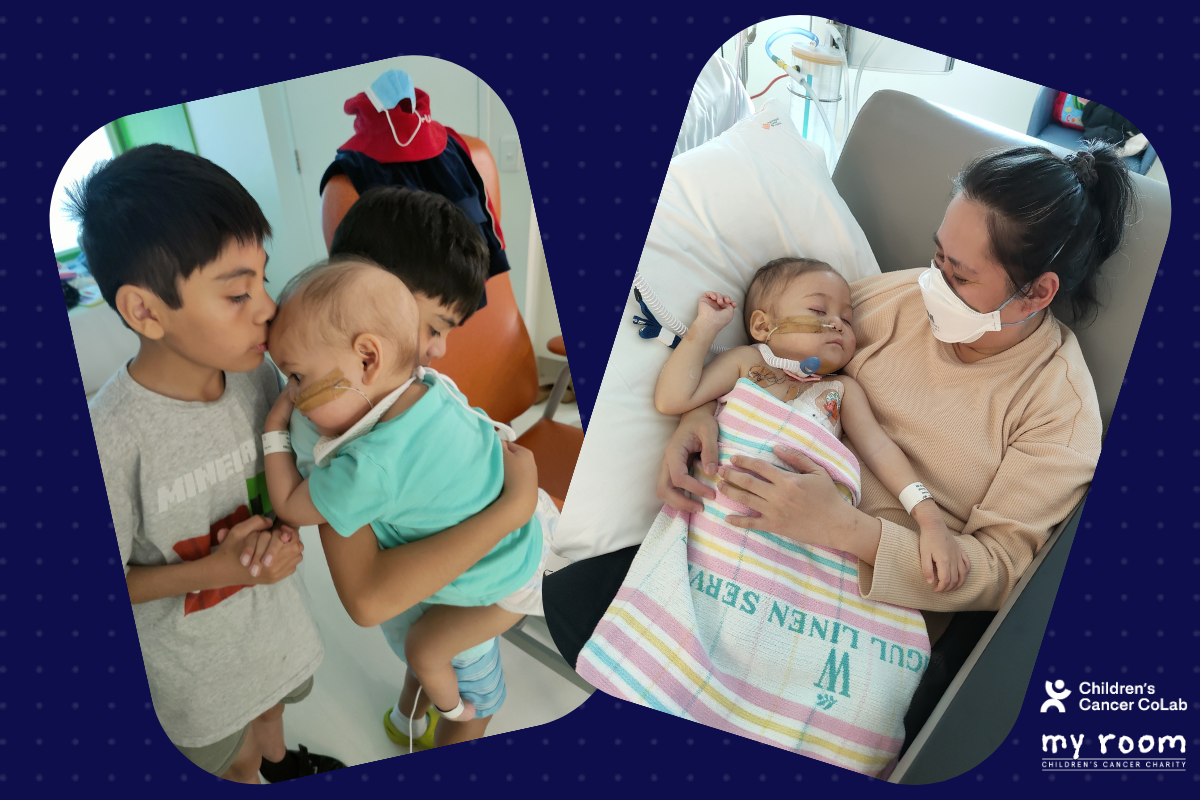
Within days of starting treatment, doctors discovered that the cancer had severely damaged Iko’s eyes. He lost much of his vision and was soon legally blind. The chemotherapy that began to control his cancer also triggered a rare complication in his airway, leaving him struggling to breathe and needing urgent intervention.
“As a parent, you just want your child to live, so you agree to whatever treatment might save them. It’s only later you realise the price their little body has paid. Iko is here with us and we’re thankful, but he’s living with blindness and challenges that will never go away."
Impact on the whole family
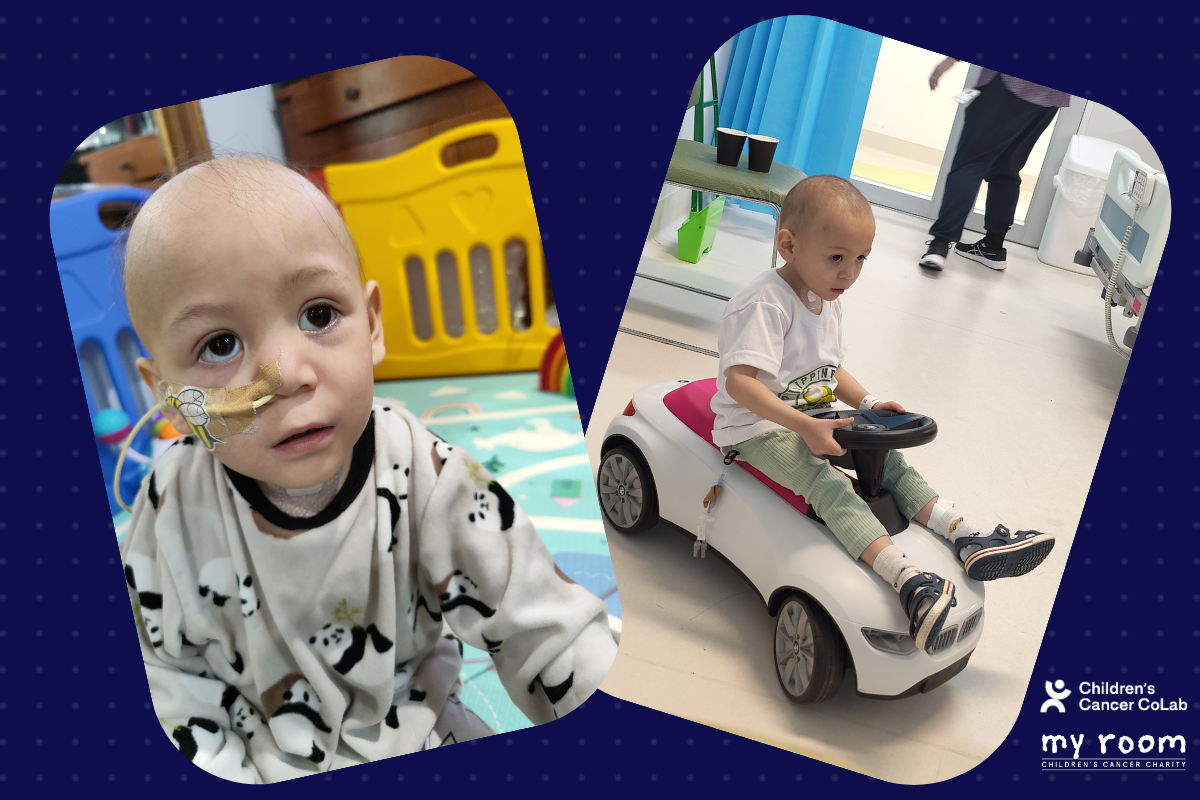
For two and a half years, Iko underwent chemotherapy and procedures to stabilise his vision and protect his airway. Anne resigned from her job to care for him full time. His dad juggled work with hospital visits and supporting their two older boys.
The impact on Iko’s brothers was profound. Their mother was suddenly away for long stretches, living on the ward. One of them asked a question Anne will never forget: “Mum, is my brother going to die?”
“I had to be the strong one for everyone – for Iko, his brothers and my parents. Childhood cancer doesn’t just affect one child. It ripples through the whole family.”
Finding connection and care in hospital
Despite everything, Iko’s spirit never disappeared. He loved ambulance rides and the sound of the siren, even when he couldn’t see the lights. Nurses and doctors became “aunties and uncles” in his world.
As treatment continued, side effects didn’t stop at blindness and breathing issues. Eating became challenging, and foods he’d once enjoyed were suddenly off limits.
“The treatment ends, but the toxic effects don’t. Iko’s body has been through so much at such a young age. He’s still recovering, and we don’t know what the future holds for his health.”
A five year old finding his place at school
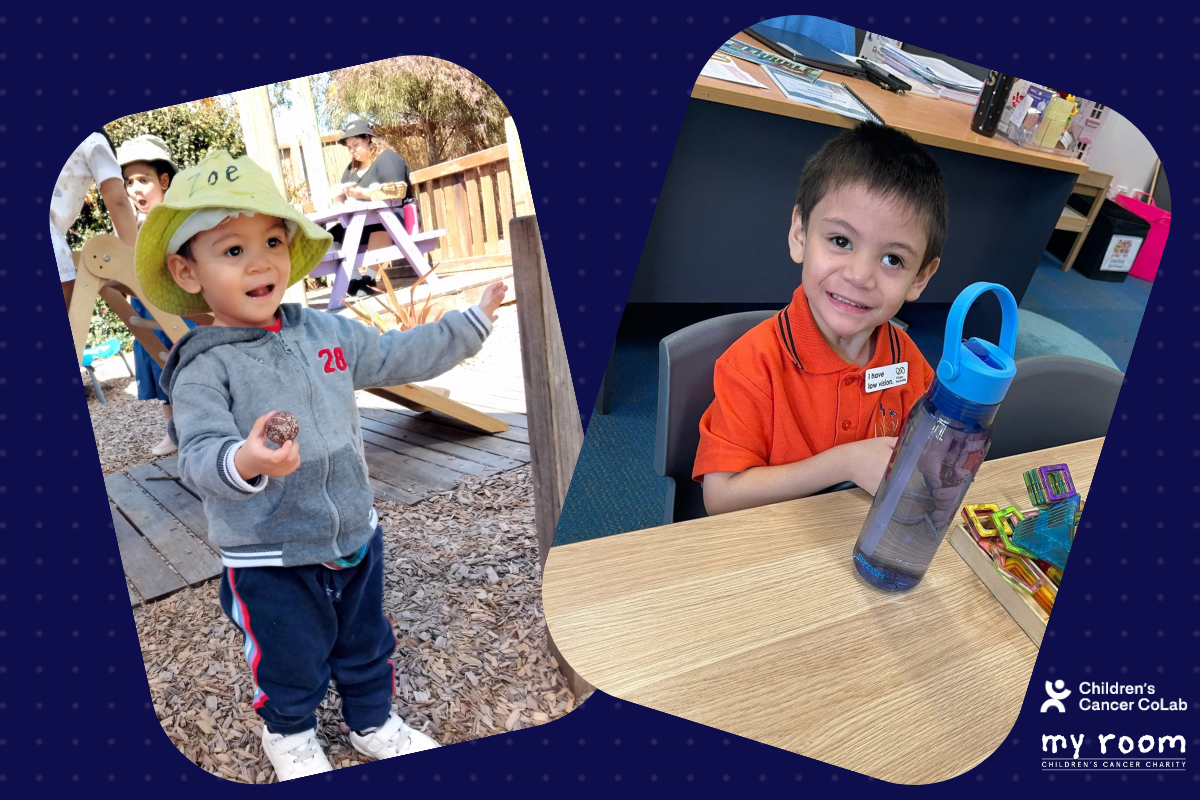
Today, Iko is five and enjoying his first year at school, where supportive teachers and the friendships he’s formed have helped build his confidence. On his first day, Iko walked in without tears, put his bag away and settled straight into activities while other children were still clinging to their parents.
“For a blind child who has been through what he has, that moment was huge for us. Seeing him thrive at school after everything he’s lived through gives us so much hope.”
New cancer therapies designed for children needed
For Anne, Iko’s story is a vivid example of why childhood cancer research must go further than simply helping children survive. She wants new treatments to be designed for growing bodies, not just adapted from adult medicines.
“Cancer is one thing. Blindness because of cancer is another. Then the treatments add their own complications. We need new therapies that are powerful against cancer, less toxic, and designed for growing bodies like Iko’s was when he was two.”
Anne believes these breakthroughs are possible through research.
“Everything begins with research. Without research, there are no new treatments. There’s no chance to make things better for the children who come next. Research is what turns hope into something real.”
Why collaboration and funding matter
Knowing that My Room Children’s Cancer Charity is partnering with Children’s Cancer CoLab to fund high impact research gives Anne a sense of pride and relief.
“My Room was there for us through our hardest days. Margaret Zita took the time to truly understand our needs and arranged support when we needed it the most. Now seeing My Room join forces with CoLab to back world-class research feels deeply personal. As a parent, it’s reassuring to know charities and government are working together to fund research that could change outcomes for children like Iko.”
A heartfelt message to researchers
Anne’s message to childhood cancer researchers is simple but deeply felt.
“Please keep going. Keep listening to families. Keep looking for safer, smarter treatments that respect that our children are still growing. The work you do doesn’t just give children a chance to survive. It gives them a chance to claim victory over cancer and live the kind of life every child deserves.”


Sign up to our newsletter
Stay connected with Children’s Cancer CoLab.
Your support can make a difference
By supporting Children's Cancer CoLab, you become part of a community breaking traditional barriers to accelerate research discoveries, creating real impact for young cancer patients and their families.


