Parliament hears why surviving childhood cancer is only the beginning
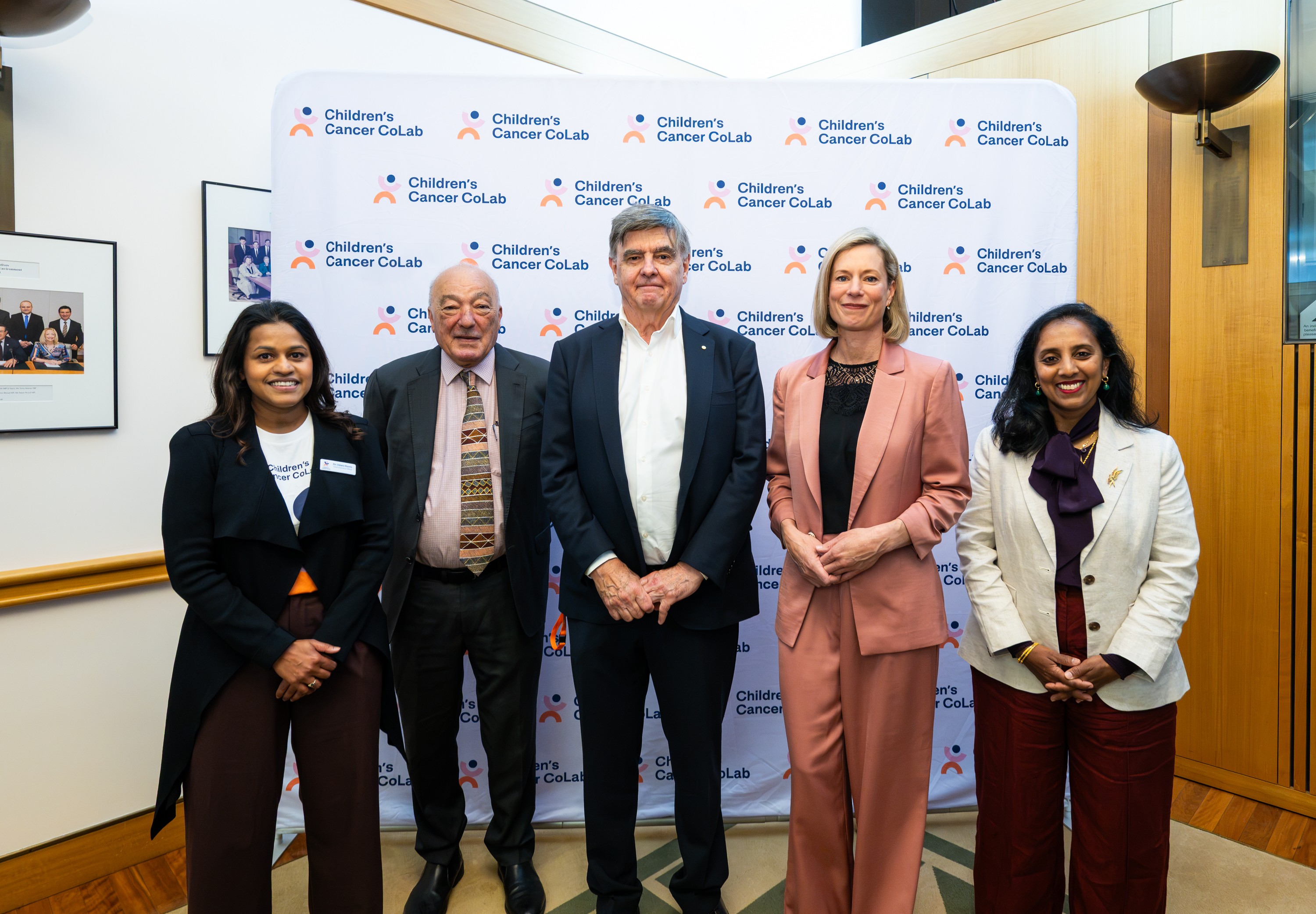

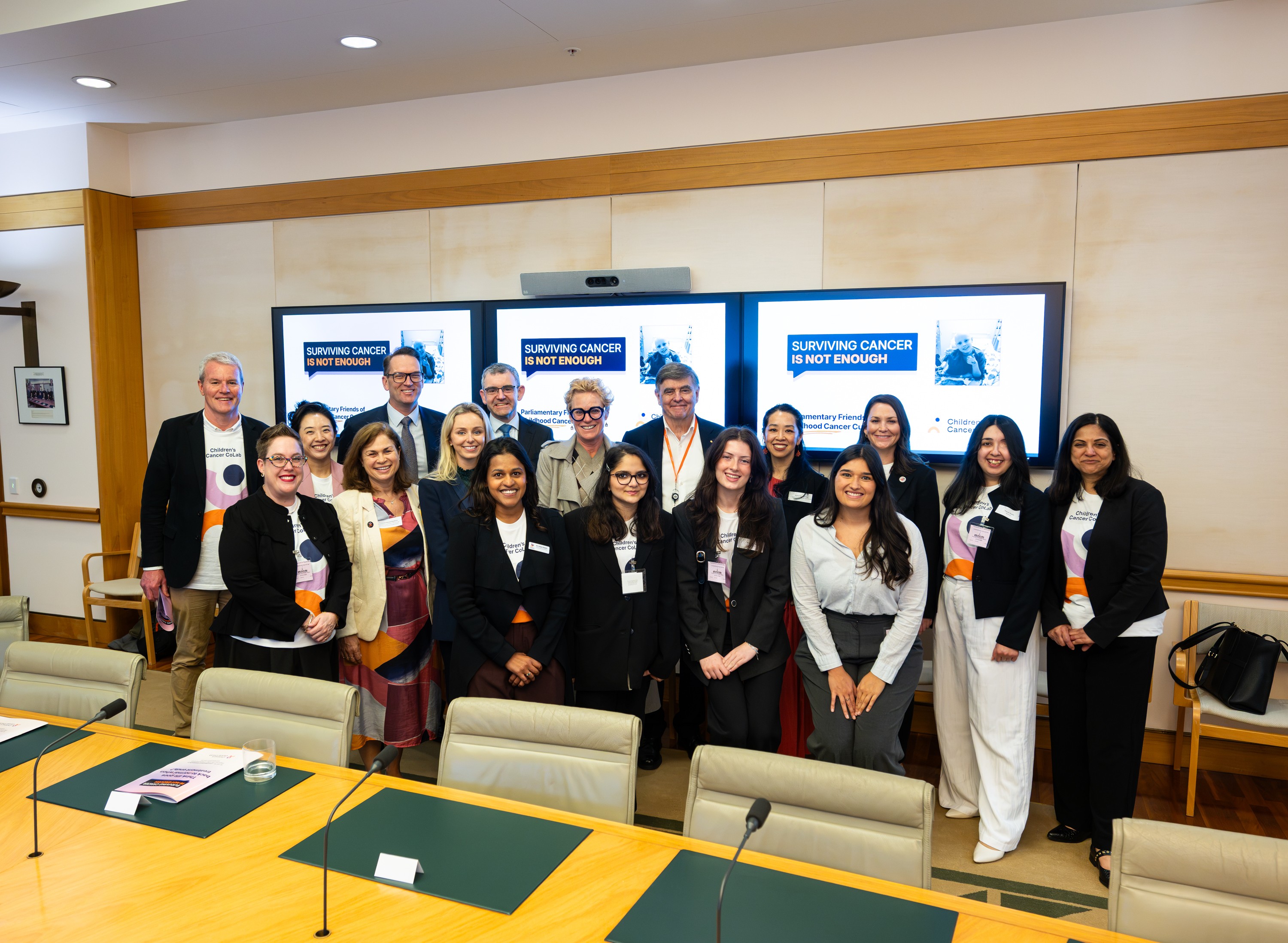
Children’s Cancer CoLab brought together parliamentarians, survivors, families, clinicians, researchers and philanthropic leaders at Parliament House in Canberra to confront a critical question: what happens after a child finishes cancer treatment?
The Improving Outcomes for Childhood Cancer Survivors forum presented interim findings from Australia’s first national assessment of childhood and adolescent cancer survivorship services. Attendees also heard directly from survivor Maya Oldroyd and her mother, Dr Sheila Patel, about the lifelong consequences of cancer treatment.
Survival is only the beginning
Around 20,000 Australians live with the consequences of childhood and adolescent cancer, with approximately 80% survivors experiencing at least one long-term effects from their treatment.
Maya survived stage 4 high-risk neuroblastoma after undergoing surgery, chemotherapy, a stem cell transplant, radiation therapy and immunotherapy. While the treatment saved her life, she continues to experience hearing loss, developmental complications and painful gastrointestinal problems.
“I wish I didn’t have to worry about flare-ups of my gut condition, which often causes pain at the most inconvenient times, like when I’m performing on stage or sitting exams,” Maya said.
Her story brought the forum’s central message into sharp focus: surviving cancer is not the end of the experience. For many, it is the beginning of lifelong healthcare needs.
An inconsistent system
The interim findings show Australia does not have a consistent national approach to lifelong survivorship care.
The assessment identified or consulted 59 services and programs and received 31 survey responses. Of surveyed services:
• Only 29 per cent could meet all demand.
• Forty-six per cent reported workforce constraints.
• Only 21 per cent routinely collected clinical outcomes.
• Only 38 per cent routinely used best-practice guidelines or frameworks.
Australia does not simply have an access problem. It has a consistency, capacity and evidence problem.
The age cliff
Age is one of the sharpest fault lines. Sixty-three per cent of surveyed services supported children under 18. This fell to 29 per cent for people aged 18 to 25 and just 8 per cent for survivors over 25.
Yet late effects can emerge decades after treatment. Survivors are expected to manage increasingly complex care as support falls away. Primary care could play a greater role, but previous research has found fewer than half of GPs feel confident managing childhood cancer survivorship.
Postcode still matters
Specialist services are concentrated in metropolitan areas. Transition pathways vary between hospitals and jurisdictions, while specialised mental health services report high demand and limited capacity. Survivors can be left without clear coordination between paediatric, adult, primary and community care.
Too much depends on where someone lives, their age, whether they can afford ongoing care and how confidently they can advocate for themselves.
Evidence must guide action
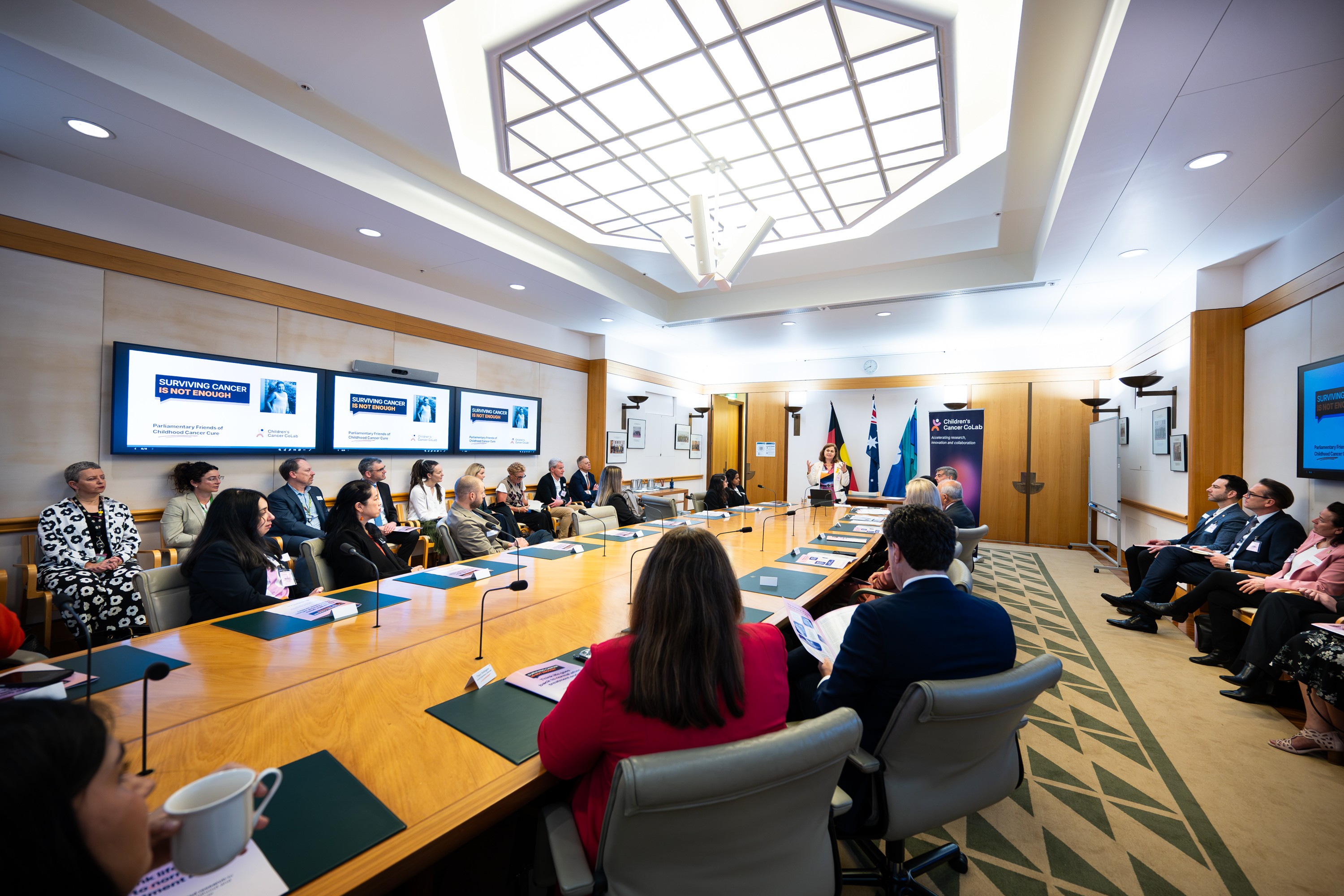
Professor Natalie Bradford told the forum that although international guidelines help identify risks and recommended monitoring, they do not show how Australia should organise and sustain care. Her previous review of 38 studies found no single survivorship model specialist-led, multidisciplinary, shared-care or primary-care-led was supported over another.
Children’s Cancer CoLab is calling for a coordinated national research effort to test scalable models, measure long-term outcomes and build an evidence-based pathway for lifelong care.
“We need to understand what works, what can scale and how we ensure a survivor’s care is not determined by their postcode, age or ability to navigate a complex health system,” Children’s Cancer CoLab CEO Dr Udani Reets said.
While lived experience has informed and shaped this work throughout, the next step is to broaden and deepen that engagement through a lived experience surveys and targeted roundtable.
Alongside mapping services, the broader study being deliver by Biointelect, will quantify the lifetime economic burden of childhood cancer survivorship, with final findings due for release in early 2027.

Sign up to our newsletter
Stay connected with Children’s Cancer CoLab.
Your support can make a difference
By supporting Children's Cancer CoLab, you become part of a community breaking traditional barriers to accelerate research discoveries, creating real impact for young cancer patients and their families.


