Victorian researchers awarded $2.25 million to develop kinder childhood cancer treatments
.png)
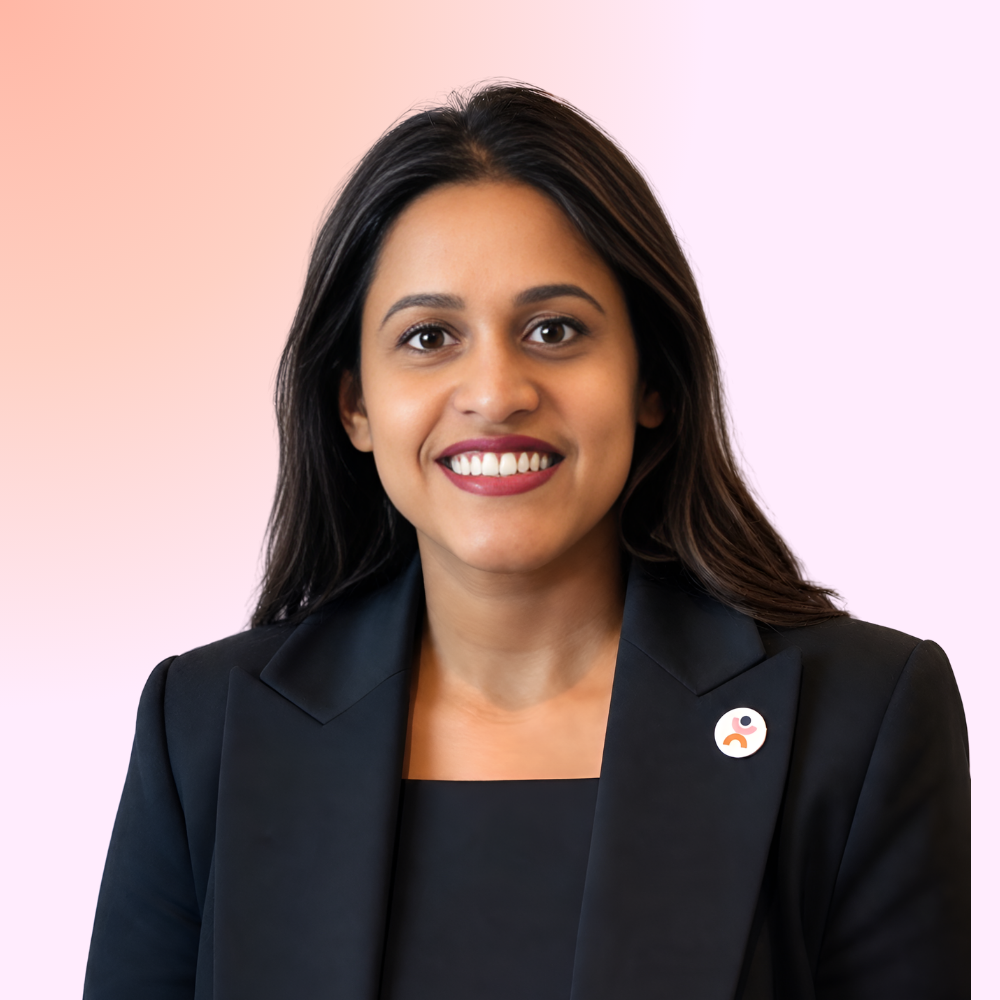
Children’s Cancer CoLab has awarded $2.25 million to four Victorian research projects developing safer, kinder treatments for childhood cancer, including aggressive brain tumours, solid cancers and acute lymphoblastic leukaemia.
These research grants address a major gap in cancer treatments: while more than 100 targeted cancer drugs have been approved for adults, only 19 have ever been approved for children.
Children’s Cancer CoLab CEO Dr Udani Reets said the grants would back research targeting some of the toughest challenges in childhood cancer.
“Too many Australian children with cancer are treated with therapies originally designed for adults, despite the unique needs of their growing bodies. These innovative research projects will tackle some of childhood cancer’s toughest challenges, advancing more targeted and effective treatments with fewer long-term harms,” Dr Reets said.
The projects will include research to help stop deadly brain tumours from growing, identify new medicines for high-risk solid tumours, make immunotherapy work harder against neuroblastoma and sarcoma, and research aimed at reducing the risk of life-threatening blood clots during leukaemia treatment.
Children’s Cancer Foundation (CCF) CEO, Margaret Fitzherbert, said the four projects reflect what CCF’s donors and families want for children with cancer.
“Our donors want more than survival. They want safer, kinder treatments designed specifically for children. Cancer treatment can mean long hospital stays, invasive procedures and lifelong side effects. These four projects offer hope of a future with fewer of those burdens for children with cancer and their families,” Ms Fitzherbert said.
Researchers at WEHI, Peter MacCallum Cancer Centre, Monash University, and University of Melbourne/Murdoch Children’s Research Institute will lead the four projects, which were selected through CoLab’s rigorous and competitive funding process. All projects were reviewed by Children’s Cancer CoLab’s Scientific Advisory Committee, supported by a broader faculty of scientific advisors and a panel of lived experience reviewers.
The Victorian Government and Children’s Cancer Foundation’s major investment in Children’s Cancer CoLab made the grants possible, enabling CoLab to fund the most promising research to improve outcomes for children with cancer.
Minister for Medical Research Anthony Carbines said the investment would help Victorian researchers develop safer, kinder treatments for children with cancer.
“Every child deserves the best possible chance to beat cancer without facing a lifetime of harmful side effects,” Minister Carbines said.
“We’re backing Victoria’s world-class researchers to develop gentler treatments that can improve the lives of children and families here in Victoria and around the world.”
The funded projects
Paediatric and adolescent cancer immunotherapy program
Dr Deborah Meyran, Peter MacCallum Cancer Centre | $728,750
Dr Deborah Meyran and her team will test whether an anti-cancer drug, curaxin CBL0137, can make immunotherapy more effective against high-risk childhood solid cancers, including neuroblastoma and sarcoma. Early research suggests the drug can kill neuroblastoma cells and “reawaken” the immune system, improving the effect of anti-GD2 immunotherapy. The project will extend this approach to paediatric sarcomas, aiming to reduce reliance on intensive treatment and its long-term effects. Read more about this project.
Using first-in-class mRNA export inhibitors to treat childhood cancer
Prof Vihandha Wickramasinghe, WEHI | $500,897
Prof Vihandha Wickramasinghe and his team will test inhibitors that block mRNA export, a process some cancer cells rely on to grow. The research will identify childhood cancers most dependent on this pathway, including osteosarcoma, neuroblastoma, medulloblastoma and rhabdomyosarcoma. The aim is to lay the groundwork for more targeted, less toxic treatments that may one day be taken at home. Read more about this project.
Epigenetic control of differentiation in paediatric high-grade glioma
Prof Lee Wong, Monash University | $512,000
Prof Lee Wong and her team will investigate whether overcoming a biological barrier that prevents diffuse midline glioma cells from maturing can make these cancer cells less aggressive and more responsive to treatment. The approach will be tested across an extensive collection of cell models developed from children’s tumours to identify the most promising new treatment strategies. Read more about this project.
Safer asparaginase treatment
Prof Paul Monagle, University of Melbourne / Murdoch Children’s Research Institute | $505,035
Prof Paul Monagle and his team will investigate why some children and adolescents treated for acute lymphoblastic leukaemia develop serious blood clots. The study will identify blood patterns that may predict who could benefit from clot-prevention medicines, helping reduce serious clots, unnecessary injections and side effects. Read more about this project.
Sign up to our newsletter
Stay connected with Children’s Cancer CoLab.
Your support can make a difference
By supporting Children's Cancer CoLab, you become part of a community breaking traditional barriers to accelerate research discoveries, creating real impact for young cancer patients and their families.


