Optimal Care Pathway for Children with Cancer
Creating Australia's first national care pathway specifically designed for children with cancer.
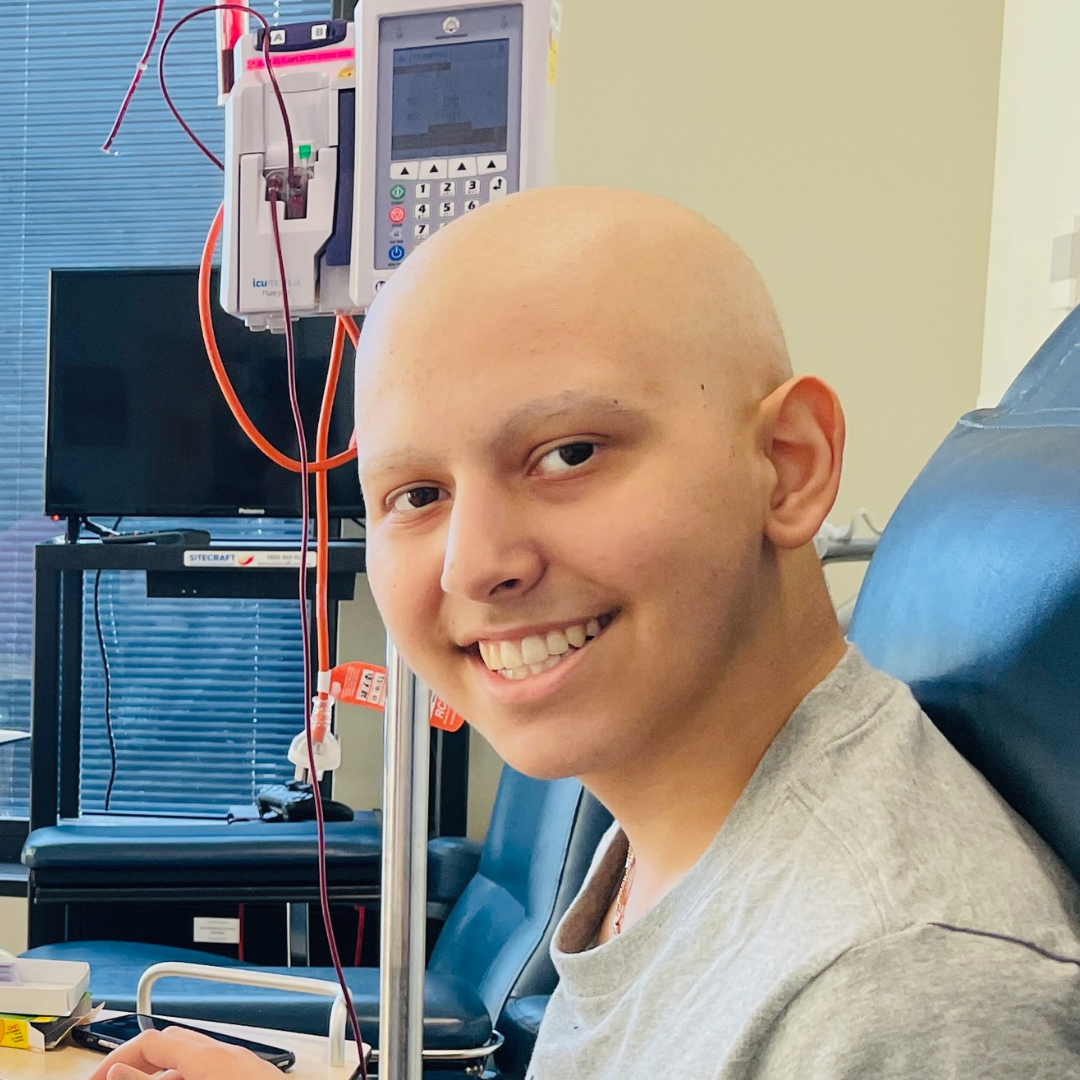
Creating Australia's first national care pathway specifically designed for children with cancer.
This project brings together national leaders, clinicians, researchers, community organisations and people with lived experience to improve outcomes for children with cancer and their families.
The Optimal Care Pathway for Children with Cancer, commissioned by Cancer Australia, is being delivered as a collaborative partnership between the Paediatric Integrated Cancer Service (PICS),the Australian and New Zealand Children's Haematology/Oncology Group (ANZCHOG), and Children's Cancer CoLab.
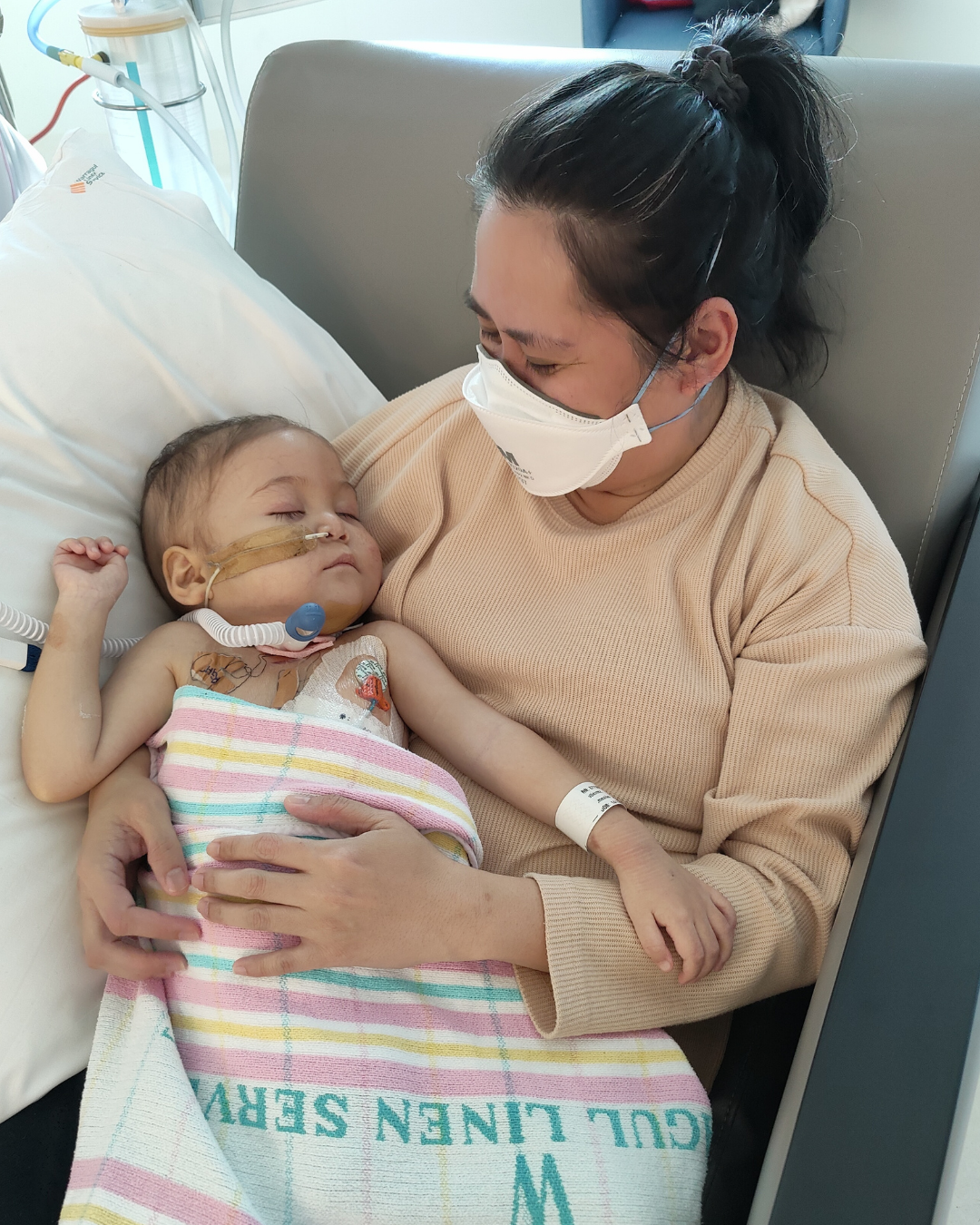
Despite significant advances in cancer care, there remains no dedicated national pathway that fully addresses the specific needs of children with cancer. Childhood cancers differ fundamentally from adult cancers in their biology, diagnosis and treatment, and children and families experience unique challenges across the cancer care journey, from diagnosis and treatment through to survivorship and, in some cases, end-of-life care.
The Optimal Care Pathway (OCP) for children with cancer aims to guide the delivery of consistent, coordinated and evidence-based care that meets the unique needs of children and their families throughout the continuum of care.
Optimal Care Pathways are nationally recognised frameworks that outline consistent, safe, high-quality and evidence-based care for people affected by cancer.
OCPs are a key component of the Australian Cancer Plan and are designed to be embedded into routine cancer care to support integrated, coordinated and data-driven health service systems.
An OCP for children with cancer has been identified as a national priority through stakeholder consultation. This was further reinforced at the Childhood, Adolescent and Young Adult Cancer Ministerial Roundtable in June 2025, and in Cancer Australia's Childhood, Adolescent and Young Adult Cancer Roadmap released in May 2026.
This project commenced in May 2026 and will follow the National Optimal Care Pathways Framework and OCP Toolkit.
The project is being delivered through a structured, evidence-based process that combines research, expert insight, and broad community consultation. By engaging people with lived experience alongside stakeholders from across Australia, the pathway is designed to reflect diverse perspectives, needs and priorities.
The Optimal Care Pathway will be supported by three core resources:
The Australian Government’s national cancer control agency, leading and coordinating evidence-based action to reduce the impact of cancer and improve outcomes.
The peak professional body and Cancer Cooperative Trials Group (CCTG) dedicated to children’s cancer care in Australia and New Zealand.
Victoria's Paediatric Integrated Cancer Service, leading the state’s paediatric cancer care service improvement network.
Victoria's Paediatric Integrated Cancer Service, leading the state’s paediatric cancer care service improvement network.
Anyone who works in the field of childhood cancer or has lived experience is invited to contribute to our consultation process.

Targeted consultation with key organisations involved in delivery of childhood cancer care.
Public consultation on the draft pathway, incorporating input from community members and other relevant authorities.
The OCP for children with cancer is released.

For enquiries regarding the Optimal Care Pathway for Children with Cancer project, please email us at OCP@cccolab.org.au
Sign up to receive news about the OCP and other important announcements from Children’s Cancer CoLab.